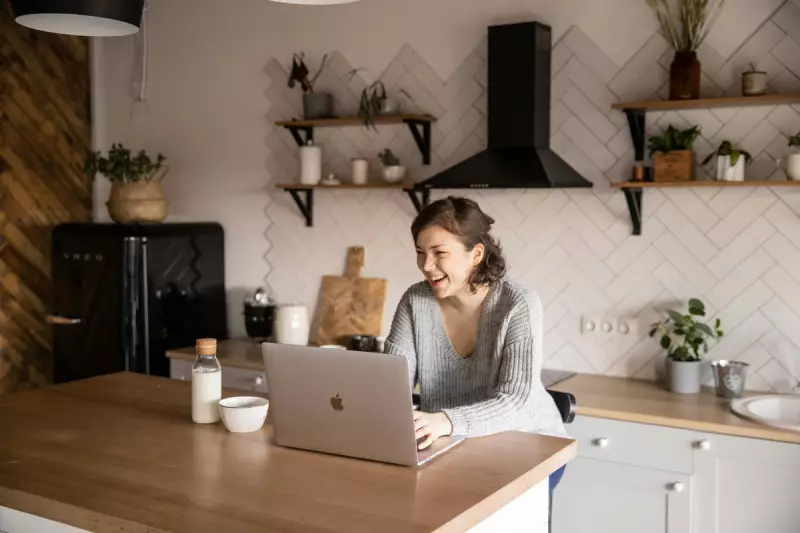
Millions of Britons working from home are strategically seeking out the warmest spots in their houses this winter, as a combination of rising energy bills and a severe cold snap bites. This simple tactic offers a practical way to maintain comfort while keeping heating costs under control.
Energy Bills Set for January Increase Amid Deep Freeze
Ofgem has confirmed its latest price cap will result in a slight increase for typical household energy bills from 1st January. The regulator announced that the average dual-fuel bill will rise by approximately 0.2%, equating to around 28 pence more per month. While this uplift is marginal, its timing is significant.
The scheduled increase coincides with a severe cold snap across the UK. Overnight temperatures have plummeted to as low as minus 11 degrees Celsius in the Scottish Highlands, with widespread freezing conditions reported across the country. As households strain to stay warm, remote workers are increasingly looking for low-cost methods to avoid shivering through their working day without resorting to constantly turning up the thermostat.

The Ultimate Room-by-Room Warmth Ranking for Home Workers
One of the most effective and straightforward strategies is simply choosing the right room to set up a temporary office. Certain spaces in a home naturally retain heat better than others due to their size, layout, and appliance usage, which can directly reduce reliance on central heating.
Here is a definitive ranking of UK rooms, from warmest to coldest, for remote work this winter.
1. Kitchen – The Warmest Office
For the majority of households, the kitchen consistently claims the title of the warmest room. This is largely thanks to a constant source of ambient heat generated by ovens, hobs, kettles, and even refrigerators. The residual warmth from cooking and boiling the kettle lingers, particularly in smaller or modern, well-insulated kitchens. Setting up at the kitchen table can therefore provide a cosy working environment without needing to adjust the thermostat, though shared homes may present more distractions.
2. Small Bedroom or Box Room
When it comes to efficient heating, compact rooms are winter winners. Their limited floor area means they heat up far more quickly and cheaply. Once warm, they tend to stay that way. Soft furnishings such as carpets, curtains, duvets, and cushions act as excellent heat traps, making these spaces naturally snug for a full day's work. A spare bedroom or rarely used small room presents a perfect opportunity for a seasonal winter office.
3. Living Room
Most living rooms rank highly for warmth, especially those adorned with thick carpets, heavy curtains, and an abundance of soft furnishings. If your living room also benefits from a radiator, an operational fireplace, or south-facing windows, its ability to hold heat throughout the day is further enhanced. As rooms designed for comfort, they can reduce the temptation to crank up the heating. The main drawback is that larger living rooms can take longer to warm up initially.
4. Home Office or Study
A purpose-built home office or study often falls into a middle ground. These rooms are typically medium-sized with neutral decor and limited soft furnishings. They can warm up adequately but may lose heat faster than a well-appointed living room or bedroom. Simple additions like a rug, a thermal curtain liner, or a draught excluder can make a significant difference in improving their heat retention.
5. Hallway or Landing
Hallways and landings are primarily transition spaces, which makes them generally unsuitable for long working stints. They are often draughty and less insulated than main living areas, particularly in older properties. A potential upside exists if the hallway is blessed with sunlight streaming through a front door or stairwell window, offering a brief period of warmth during the early afternoon.
6. Conservatory or Garden Room
Conservatories become notorious heat-losers as temperatures drop. Their extensive glazing and typically minimal insulation mean they cool down rapidly, often feeling icy in winter. Making a conservatory comfortable usually requires a significant and costly amount of heating, making it one of the least efficient choices for a winter workspace.

7. Bathroom – The Coldest Option
Despite the temporary warmth from steamy showers, bathrooms are ultimately among the coldest rooms in a house. Once the steam dissipates, their tiled floors, lack of soft furnishings, and powerful extractor fans contribute to very rapid heat loss. While the idea of working from a bathroom desk might be amusing, in reality, it is the worst possible choice for both comfort and energy efficiency.
Staying Warm Without Inflating Your Bills
With household expenses remaining high, being strategic about your workspace is a simple yet effective method to manage energy consumption. Choosing a naturally warmer room can make a noticeable difference to both your physical comfort and your finances. As the article suggests, sometimes the best solution is to simply follow the example of a cat and find the coziest, sun-drenched spot in the house.