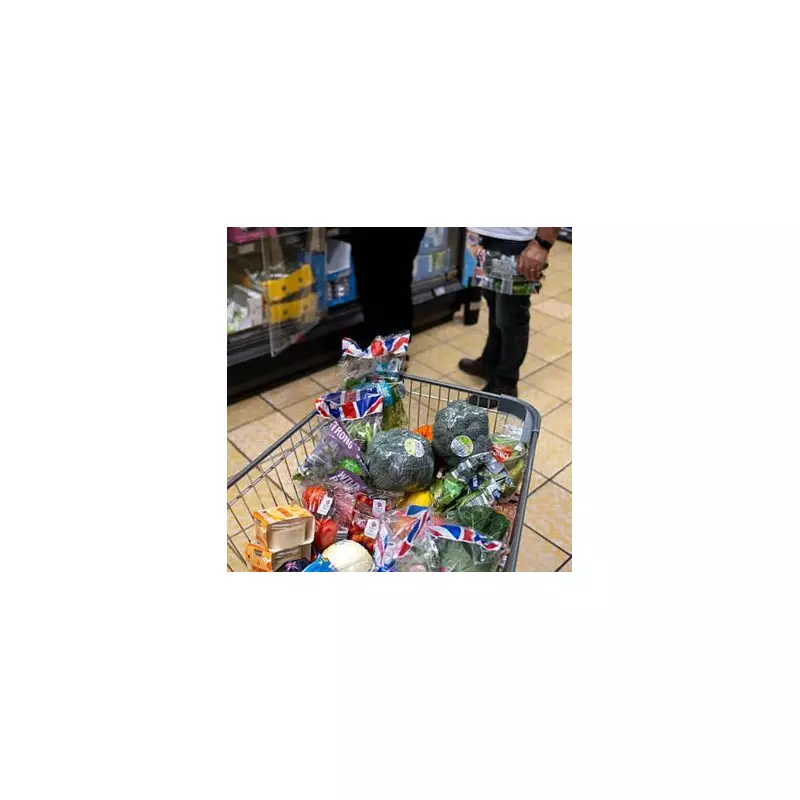
British households are set to face unprecedented pressure on their weekly food shop, with nine essential items forecast to reach record-breaking prices in 2026. A combination of climate volatility, geopolitical instability, and ongoing supply chain disruptions is creating a perfect storm for food price inflation.
Climate and Supply Chain Pressures Drive Costs
Coffee and olive oil are tipped for particularly sharp increases, following dramatic price hikes in 2025. Coffee surged by 45 per cent last year and is set to rise again due to farming issues in South America. Olive oil, which saw a 42 per cent increase, is also expected to skyrocket further.
Patrick Young from food shopping analyst PRS IN VIVO warns that foods most exposed to climate change are especially vulnerable. "Climate volatility, geopolitical instability, labour shortages, and ongoing supply chain disruptions are all contributing to elevated food costs," he states. This sentiment is echoed by retail expert Martin Newman, who points to unpredictable weather patterns, rising temperatures, and climate-related crop failures affecting global supply for fresh produce like berries, salad leaves, tomatoes, and citrus fruits.

Key Products Facing Steep Hikes
The list of essentials facing significant price rises extends well beyond coffee and oil. Analysts have identified several core categories where consumers will feel the pinch most acutely:
- Cocoa and Chocolate: Successive years of poor harvests mean cocoa may continue to climb. Oisin Hanrahan, CEO of the Tesco-backed food platform Keychain, predicts confectionery prices will "skyrocket." Chocolate already rose by 17 per cent in 2025.
- Meat and Poultry: The energy and feed issues stemming from the war in Ukraine continue to impact prices. Oisin Hanrahan predicts lamb prices will keep rising, while beef inflation is occurring at six times the rate of pulses like beans and lentils.
- Dairy and Eggs: "This will continue to be felt with cheese, milk and yoghurt," warns Hanrahan. Eggs have become emblematic of rising costs, driven by high energy prices and avian influenza outbreaks forcing farmers to cull stock since 2022.
- Fruit Juices: Supply issues for oranges in South America, the US, and Spain are not only driving up prices but leading to an inferior product, as producers use less actual juice in cartons to keep costs down.
Adapting Shopping Habits for 2026
Experts agree these cost increases will fundamentally change consumer behaviour. Patrick Young notes that supermarkets are increasingly relying on loyalty schemes, making it essential for shoppers to scan their app or card at checkout to access member pricing.
To manage budgets without sacrificing nutrition, he advises planning meals around promotions and considering frozen alternatives for fruit, vegetables, and protein. This strategic approach to grocery shopping will be crucial for households navigating the continued wave of food price inflation throughout 2026.