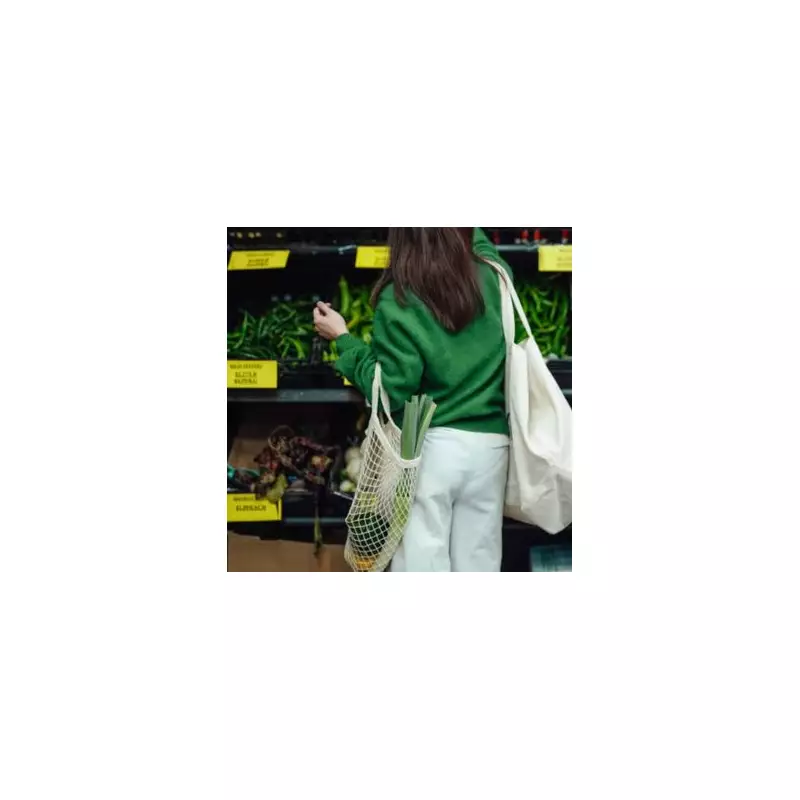
UK households are being urged to reconsider their winter grocery shopping habits to help combat climate change. A new warning highlights the significant carbon footprint of popular items like lettuce, asparagus, and tomatoes when purchased out of season.
The Hidden Cost of Winter Salads
The core of the issue, according to experts, is the energy-intensive methods required to grow or import produce that is not naturally in season during the British winter. Cheshire Council, which is running an awareness project on this topic, points out that some UK growers use heated greenhouses, known as 'hot houses', to cultivate off-season fruits and vegetables.
This process consumes a vast amount of energy. For items imported from abroad, the mode of transport is critical. The council advises that food with a short shelf-life, which often must be flown in by plane, has a major negative impact on the climate. In contrast, goods transported by ship, such as apples, oranges, and bananas, are far less damaging.

Simple Guidance for Climate-Conscious Shoppers
For those seeking a straightforward way to make a difference, Mike Berners-Lee, the recognised industry expert and author of How Bad Are Bananas?, offers clear advice. He states: "Local and seasonal is best of all, but shipping is fine. As a guide, if something has a short shelf life and isn’t in season where you live, it has probably had to be grown in a hot house or travelled on a plane."
Applying this rule during the winter months means consumers should think twice before buying certain produce. Specific examples for January that are likely to have a high carbon cost include:
- Lettuce
- Tomatoes
- Asparagus
- Strawberries
Shoppers are also alerted that most cut flowers are typically flown into the country, carrying a similar environmental burden.
Broader Impacts and Supermarket Stance
While the 'food miles' debate often focuses on transport, building the best diet for the planet involves other factors like refrigeration, packaging, and farming methods. However, choosing seasonal produce remains one of the most effective single actions a person can take.
Major retailers are also promoting this message. On its website, Tesco encourages customers to eat seasonally, stating it is "a great way to bring fresh flavours to your cooking, as well as being kind to the environment and your budget." The supermarket provides recipes and ideas to help shoppers make the most of what is naturally available.
Ultimately, the guidance provides a practical step for UK households to reduce their personal carbon emissions, simply by paying closer attention to the seasonal calendar when filling their trolleys.