A popular binman has issued a stark warning to households across the UK: placing one everyday item in your recycling bin could lead to your entire load being rejected and left uncollected.
The Common Recycling Mistake That Contaminates Your Bin
The warning comes from a refuse collector known as The No1 Binman on TikTok. In a recent video, he highlighted a widespread error that many people make for years without realising. The problematic item is the humble crisp packet. He explained that crisp packets, along with carrier bags, plastic film, and bubble wrap, do not belong in your standard household recycling bin.
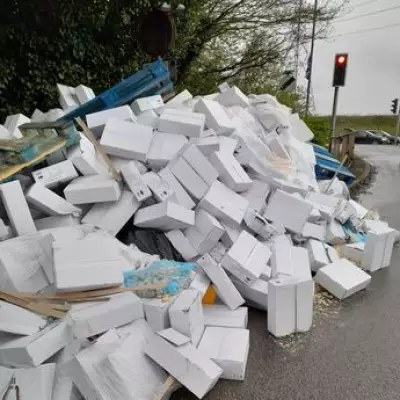
The reason is that they are made from a different, complex type of plastic – a mixed metallised plastic film. Most conventional recycling facilities cannot process this material, and it contaminates other recyclables like bottles and tins. Furthermore, the binman noted that items like polystyrene are problematic because they are "mainly air", take up too much space, and are too costly to recycle through regular systems.

What Happens If Your Bin Is Contaminated?
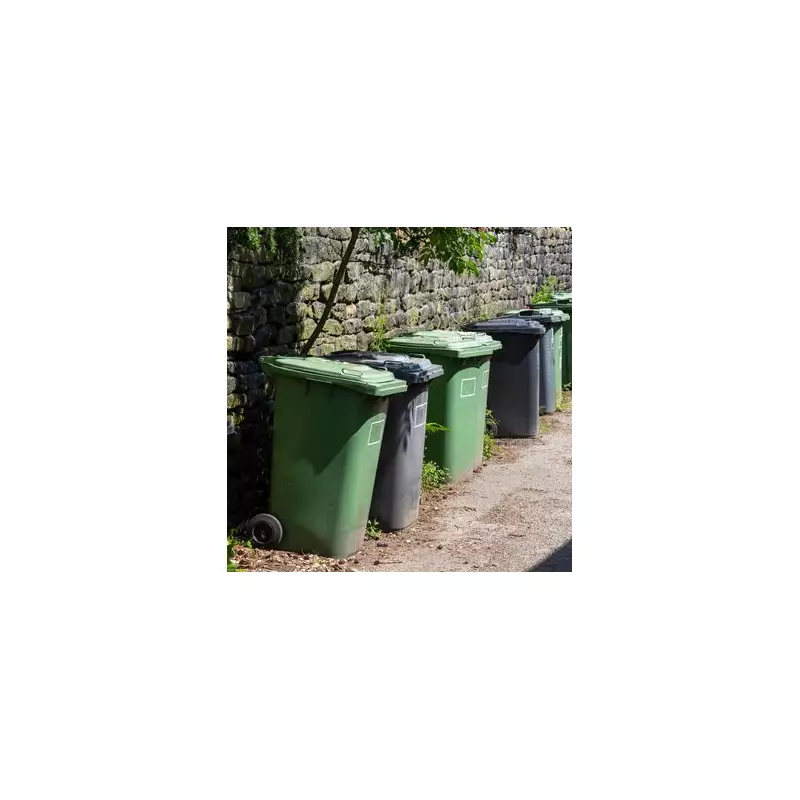
Refuse collectors can and frequently do refuse to collect recycling bins that contain incorrect items. This is a direct response to contamination, which can spoil entire lorry loads and cause damage to sorting machinery at processing facilities.
Common reasons for a bin being left behind include:
- Non-recyclable items like crisp packets and soft plastics.
- Food waste or greasy pizza boxes.
- Polystyrene packaging.
- Bins that are overfilled, too heavy, or have the lid open.
- Extra "side waste" placed beside the bin.
If your bin is not collected, your local council will likely attach a sticker explaining why. You will then need to remove the offending items and wait for the next scheduled collection.
How to Correctly Recycle Crisp Packets and Soft Plastics
There is no need to simply throw crisp packets in the general waste. The binman advised that they should be taken to supermarket collection points for soft plastics or to a local household waste recycling centre (the tip). Specialist programmes, such as TerraCycle, also handle these materials.
He urged residents: "Please check before you put it in your bin... Don't be the person who gets their bin rejected when you want it to be emptied." The most reliable course of action is to check your local council's specific guidelines, as rules can vary between different authorities.
Ultimately, correct sorting is vital to ensure your waste is collected and to support the UK's recycling efforts, preventing useful materials from going to landfill.