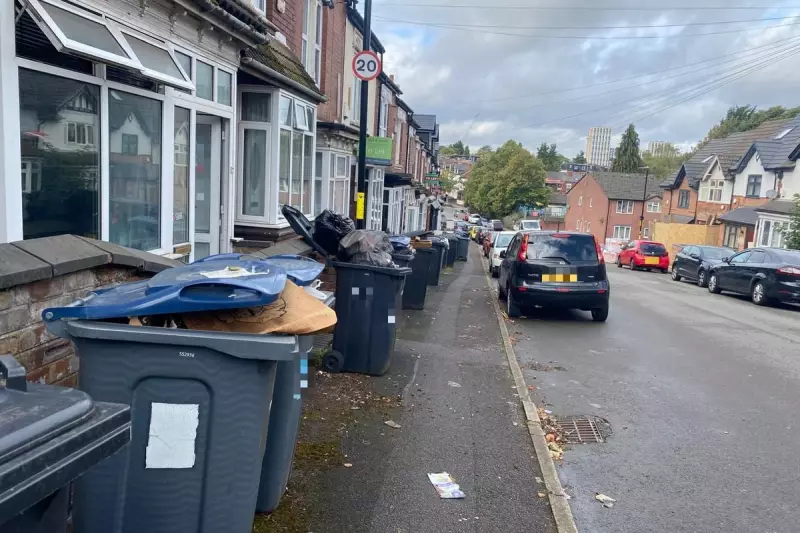
Birmingham is poised for its most significant change to household waste collections in a quarter of a century, with a major transformation now scheduled to begin in June 2026. The Labour-run council, which has faced severe financial pressures, insists the overhaul is essential to improve reliability, boost recycling rates, and achieve crucial savings.
What Changes Are Coming to Your Bin Collections?
The core of the new system will see general household rubbish collections move from weekly to fortnightly. This planned shift has previously drawn criticism from opposition councillors concerned about hygiene and capacity.
To compensate, the council will introduce a new weekly food waste collection service. Each household will receive two caddies: a small one for the kitchen and a larger external bin. A trial for this service is set to begin in March 2026.

Recycling will also be collected fortnightly, but residents will get a second recycling bin dedicated solely to paper and cardboard, aiming to improve the quality and quantity of materials recycled.
Phased Rollout Timeline and Strike Impact
The council has committed to starting the rollout in June 2026 "regardless of the strike situation". The long-running industrial action by bin workers, which began over pay and role disputes, had previously forced a delay from an original 2024 start date and has cost the council an estimated £14 million in direct costs and lost garden waste income.
The implementation will be phased over approximately 12 months, beginning with kerbside properties. The report states the Perry Barr depot will be first, followed by Lifford and then Atlas in Tyseley. Around 20,000 residents will be transferred to the new service every two weeks.
However, residents in more complex settings, such as flats above shops, may not see the changes until 2027. The council promises "extensive communication" to inform households when their street will switch.
Council Confidence and Opposition Skepticism
Cabinet Member for Environment, Councillor Majid Mahmood, sought to reassure residents about the move to fortnightly general collections. "I know some residents are concerned," he said. "But this will not be introduced until we have the food waste collections, meaning people will have less general waste." He added that the transformation would finally reintroduce recycling collections, suspended since February 2025, and help the city exceed the government's 2035 recycling target of 65%.
Councillor Mahmood expressed confidence, citing over 1,100 new collection routes, a new council-owned fleet, and staff training as preparatory work already completed. "We're ready to go on this now," he stated.
Opposition councillors remain deeply sceptical. Conservative group leader Robert Alden questioned how the council could launch a new system when the current one is failing, noting the year-long suspension of recycling collections. "Residents will rightly ask how on earth Labour can justify pushing ahead with a completely new waste system when they can't even get the current one working," he said.
Fellow Conservative Ewan Mackey called the plan "madness" to introduce amid ongoing strike disruption. In response, Labour's Councillor Rob Pocock defended the proposals as the "biggest transformation in our household waste collection service for at least 25 years" that would end the city's "woefully underperforming recycling service."