England is bracing for the most significant overhaul of its household waste collection services in years, with a new national system set to launch on March 31. The changes will introduce a consistent four-bin collection scheme across the country, but come with a stark warning: households that repeatedly place items in the wrong container could be hit with penalties of up to £400.
What is the Simpler Recycling Scheme?
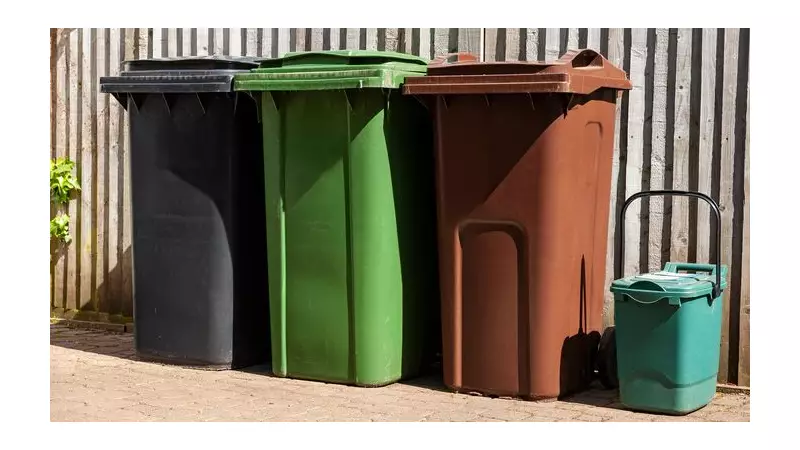
The Government's new Simpler Recycling initiative is designed to standardise waste collection across England, putting an end to the confusing 'postcode lottery' where rules differ between local councils. From the end of March, local authorities will be required to collect separated waste in four distinct streams.
According to the Department for Environment, Food and Rural Affairs (Defra), the goal is to clarify the process for residents and boost national recycling rates. A department statement explained: “Citizens will be able to recycle the same materials across England, whether at home, work or school and will no longer need to check what is accepted for recycling in their local area.”

Despite the 'Simpler' name, officials acknowledge that millions of households may face initial confusion as they adapt to the new requirements.
Understanding the New Four-Stream Collections
Under the incoming rules, councils will provide collections for the following separate waste categories:
- Food waste: Collected separately, typically in a small caddy.
- Paper and card: A dedicated stream for cardboard and paper products.
- Other dry recyclables: This stream includes materials like glass, plastic, and metal packaging.
- General rubbish: For non-recyclable waste that cannot go into the other bins.
Legal expert Gary Rycroft, speaking on BBC Morning Live, outlined the practical impact for residents. “Moving forward, you’re going to have to separate your waste into things that can’t be recycled, food waste, paper and card and then other dry recycling like glass, plastic and tin,” he said.
While the potential fines have captured headlines, Mr Rycroft noted that councils have long held enforcement powers related to bin use. He urged residents to proactively check their local council's specific instructions regarding bin delivery schedules and collection days.
Common Household Items Banned from Recycling Bins
A key source of potential error lies in a long list of common items that must not be placed in the new recycling bins, even if they appear recyclable. Defra's guidance, as reported, excludes dozens of products across the different waste streams.
Notable exclusions include:
- Glass: Drinking glasses, cookware (like Pyrex), vases, mirrors, and light bulbs.
- Metal: Kitchenware like cutlery and pots, electrical items, and certain contaminated packaging.
- Plastic: 'Compostable' or 'biodegradable' plastics, polystyrene packaging, PVC, and large rigid plastics like toys or garden furniture.
- Paper and Card: Absorbent hygiene products (nappies, wipes), tissues, and cotton wool pads.
- Garden Waste: Plant pots, garden furniture, animal bedding, and soil/gravel.
Food waste caddy liners are permitted, but compostable coffee pods and similar items are not allowed in the food waste stream.
Implementation and Next Steps for Households
Local councils are responsible for rolling out the new collections and providing the necessary bins or caddies. While the £400 fine is a possibility for persistent non-compliance, experts suggest most authorities will prioritise education and guidance in the initial phase.
Residents across England are strongly advised to look out for communications from their local council, carefully follow any new bin labelling, and familiarise themselves with the list of banned items to avoid costly mistakes and help make the new national system a success.