New Food Waste Caddies Distributed to Birmingham Households
As the bin strike in Birmingham continues with no resolution in sight, a new initiative is quietly rolling out in certain neighbourhoods. Thousands of homes are receiving specialised food waste caddies, a move designed to enhance recycling efforts even as traditional recycling collections remain suspended.
A Glimmer of Change Amid Ongoing Disruption
Residents across Birmingham are all too familiar with the prolonged bin strike, which has now stretched for over a year. Despite a significant increase in council tax, household recycling services have ground to a halt, forcing many to personally transport their recyclables to local tips. However, a shift is occurring in areas like Four Oaks in Sutton Coldfield, Moseley, and Stirchley, where households are being equipped with two new waste caddies.
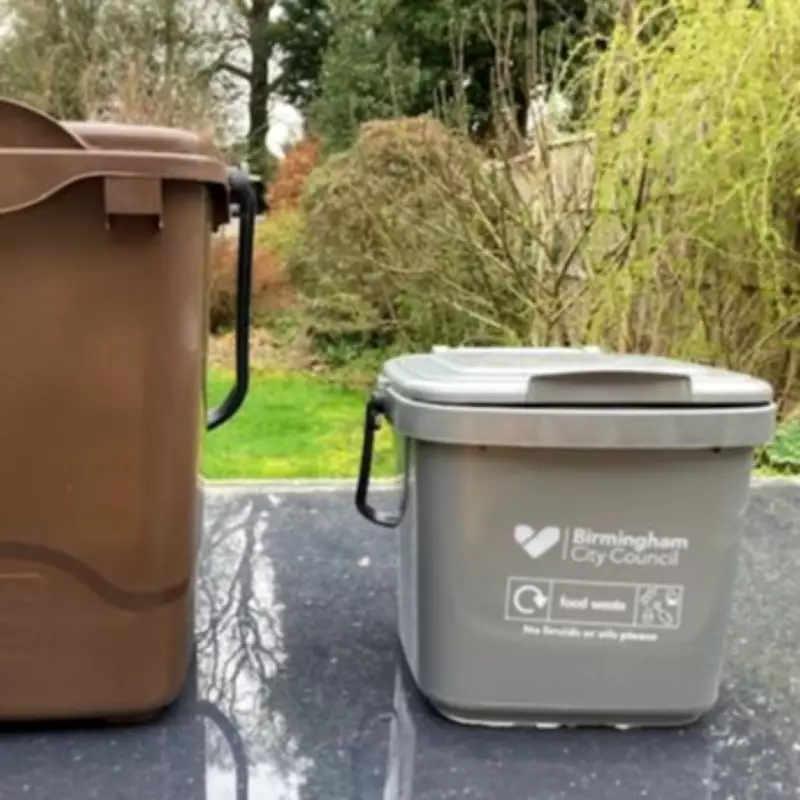
The new system includes a grey seven-litre indoor caddy, complete with supplied liners, and a larger brown 23-litre outdoor version. Residents are instructed to transfer contents from the indoor caddy to the outdoor one when full, then place it alongside their regular household waste wheelie bin on collection day. Deliveries commenced last weekend in pilot zones, with the service officially launching the week starting Monday, March 16.

What Goes In and What Stays Out
The caddies are strictly for food and drink remnants. Approved items include:
- Fish, meat, and bones
- Leftovers and plate scrapings
- Bread, rice, and pasta
- Fruit and vegetable peelings
- Teabags and coffee grounds
Prohibited items are clearly outlined by the council:
- Any form of packaging
- Black bin bags
- Liquids
- Flowers or garden waste
- Oil or liquid fat
- Non-food waste items
The Bigger Picture and Future Plans
This rollout occurs against a backdrop of unresolved industrial action that has caused widespread disruption. Nevertheless, Birmingham City Council reaffirmed its commitment last December to establishing a "greener, more reliable waste service." The food waste initiative is part of a broader transformation, which includes plans for a second recycling bin and aims to initially boost recycling rates above 30 percent.
The council acknowledged historical shortcomings, citing high missed collection rates and some of the nation's lowest recycling figures. "This must change," a statement emphasized. Although the strike has delayed implementation, the council intends to proceed with a phased rollout starting in June 2026, regardless of the industrial action status.
Subject to cabinet approval, the service will expand in fortnightly blocks, reaching approximately 20,000 residents at a time. Comprehensive communication campaigns will ensure households are informed about changes specific to their streets. For many, this means managing up to five council bins: household waste, recycling (a paid but inactive service), garden waste, and the two new food caddies.
While the strike's end remains uncertain, this step represents a tangible effort to divert food waste from landfills, potentially converting it into renewable energy or natural fertiliser, and marks a cautious move toward environmental improvement in the city.