Millions of households across England are set for a major overhaul of their rubbish and recycling routines, with new national rules coming into force at the end of March.
What Are The New Bin Collection Rules?
The government's new Simpler Recycling scheme is designed to standardise waste collection across the country. From March 31, 2026, most homes will be provided with four separate bins or bags for different types of waste.
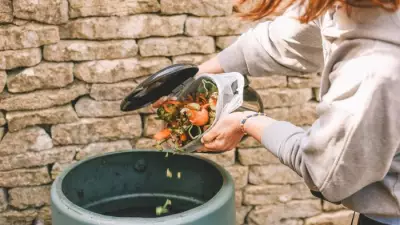
Under the new system, food waste will be banned from general rubbish bins and must be collected separately. Similarly, paper and cardboard can no longer be mixed with other recyclables like plastics, glass, and metals. This means households will need to sort their waste into four distinct streams:

- General rubbish (non-recyclable waste).
- Food waste.
- Paper and card.
- Other recyclable materials (glass, metal, plastic etc.).
Ending The 'Postcode Lottery'
The Department for Environment, Food and Rural Affairs (Defra) says the changes will end the confusion caused by councils currently operating different systems. In an official update, Defra stated: "Citizens will be able to recycle the same materials across England, whether at home, work or school, and will no longer need to check what is accepted for recycling in their local area."
The department emphasised that the universal standard will ensure that everything that can be collected for household recycling is collected in every region, putting an end to the so-called 'postcode lottery' of bin collections.
Potential Fines And Local Implementation
While the national framework starts on March 31, the exact details for individual areas will be set out by local councils. Residents are urged to pay close attention to communications from their local authority regarding the rollout.
It is crucial for households to follow the new rules, as rule-breakers could face fines of up to £400. The changes represent a significant shift in behaviour for many, requiring people to think more carefully about how they dispose of their everyday waste.
The government's aim is clear: to boost recycling rates, reduce contamination in recycling streams, and ensure valuable resources like food waste are composted or used to generate energy rather than sent to landfill.