London Congestion Charge Hours Could Be Extended to Stop Evening Driver Loophole
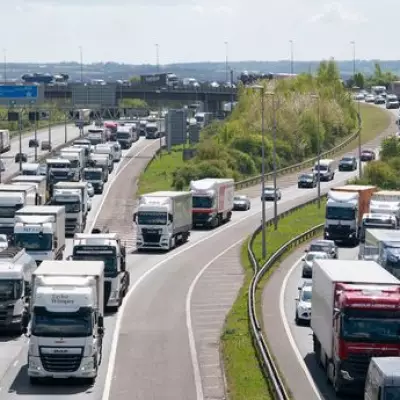
Clean Cities has urged London Mayor Sadiq Khan to reintroduce later operating hours for the Congestion Charge, aiming to close a loophole that drivers are exploiting to avoid paying the daily fee. Research indicates a significant spike in car traffic during the hour after the charge currently ends, prompting calls for policy adjustments to maintain the scheme's effectiveness.
Research Reveals Traffic Spike After Charge Ends
According to findings by Clean Cities, there was a 56 per cent increase in car traffic between 6pm and 7pm, as drivers take advantage of the congestion charge end time to travel without paying. Specifically, 6,170 cars entered the charging zone during this hour, compared to 3,955 vehicles between 8am and 9am. This loophole has raised concerns about congestion and air quality in London's evening hours.
Current Congestion Charge Operations
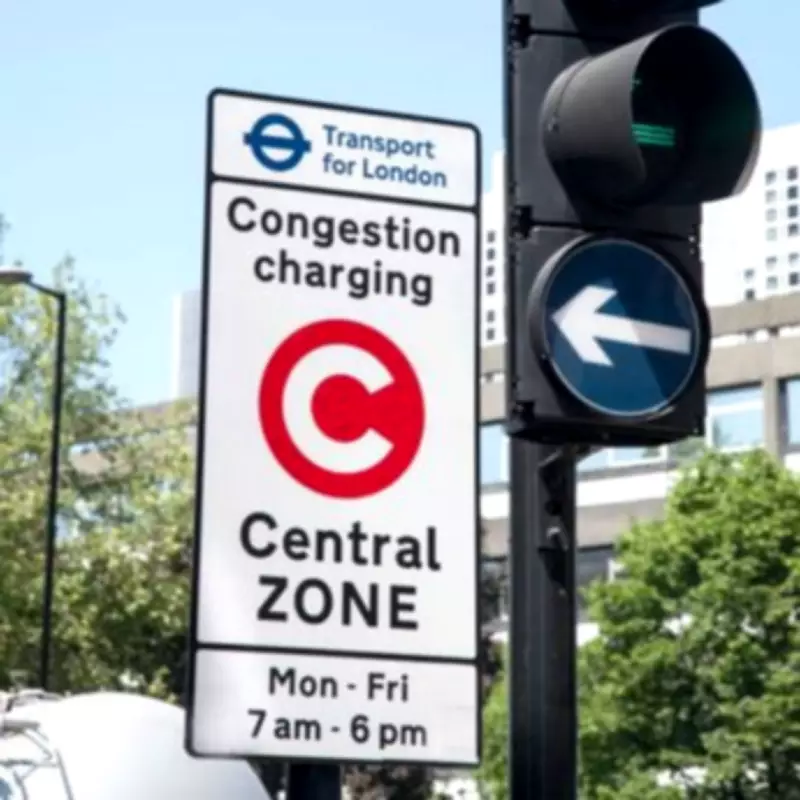
The Congestion Charge currently operates from 7am to 6pm, Monday to Friday, with reduced hours of 12pm to 6pm on weekends. There is no charge on Christmas Day and New Year's Day. Drivers within the zone during charging hours must pay £18, up from £15 in January, with fines of £180 for rulebreakers, reducible to £90 if paid early.

Official Statements on the Issue
Mayor Sadiq Khan emphasized the need for the Congestion Charge to remain fit for purpose, stating that sticking to the status quo could lead to around 2,200 more vehicles using the zone on an average weekday next year. He highlighted efforts to support sustainable travel and incentives for cleaner vehicles.
Oliver Lord, UK head of Clean Cities, warned that London's night-time economy is being choked by cars, with traffic gridlock resulting from policy choices. He noted that when weeknight congestion charging was previously in place, traffic decreased, suggesting that extending hours could alleviate evening congestion.
Christina Calderato, TfL's Director of Strategy, added that managing traffic and congestion is vital for London's thriving environment, with changes to the scheme playing a key role in balancing driver needs and sustainable transport transitions.