Scotland Urged to Legalise Shared E-Scooters as UK Faces Transport Rule Changes
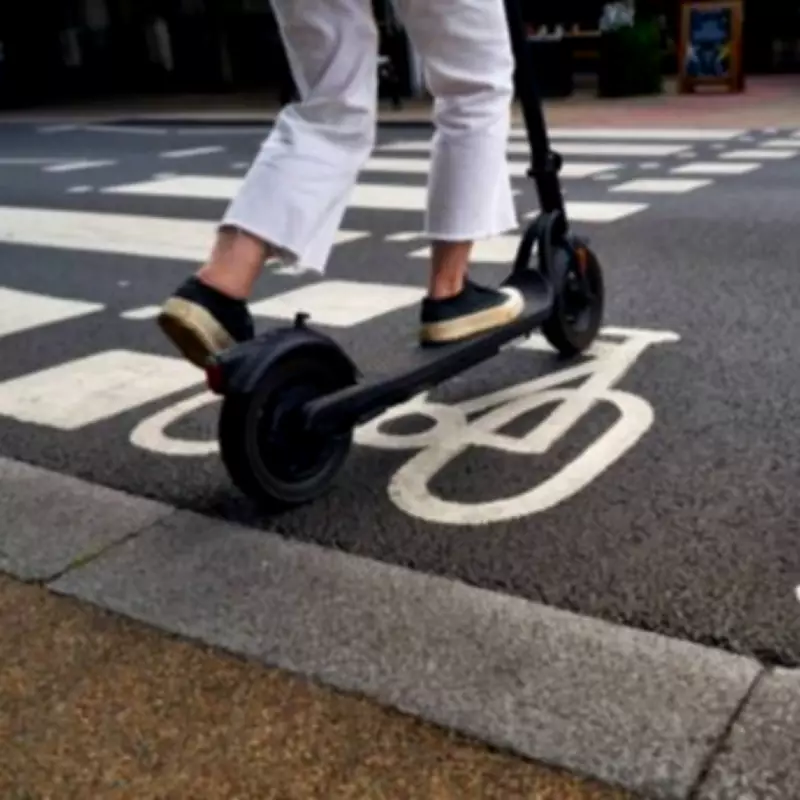
Electric scooters could see significant rule changes in parts of the UK under new legislation, with Scotland at the forefront of this debate. Collaborative Mobility UK (CoMoUK), a charity, is pushing for Scotland to legalise shared e-scooter schemes, arguing that current restrictions are hindering progress toward clean air goals and sustainable travel.
Call for Action on Sustainable Transport
CoMoUK has urged Scotland's political parties to commit to passing laws that would allow access to shared e-scooter schemes for the first time. While pilot schemes are operational in England, Scotland lags behind, denying residents what the charity describes as a flexible and low-carbon mode of transport.
Richard Dilks, chief executive of CoMoUK, stated, Scotland has a tremendous opportunity to become a leader in sustainable travel, and as we approach the Holyrood election, it is time for bold commitments and action. He emphasized that Scots have been missing out on benefits enjoyed in England for years.

Political Responses and Safety Concerns
The proposal has sparked mixed reactions from political figures. Sue Webber MSP, Scottish Conservative transport spokeswoman, raised safety issues, noting that illegal e-scooter and e-bike use already poses risks of serious injury. She argued that any expansion should wait until current problems are addressed and police have adequate powers.
In contrast, Mark Ruskell, Scottish Greens transport spokesman, supported shared transport as a way to cut emissions and reduce car dependency. He highlighted the success of such schemes in Europe but stressed the need for carefully designed rules and public support.
Broader Implications for UK Transport
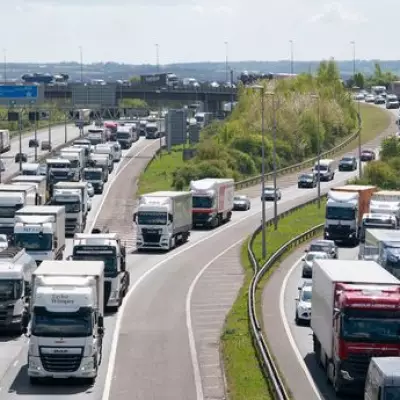
CoMoUK's call includes not only legalising e-scooters but also expanding car clubs, building mobility hubs, and integrating shared transport into new housing developments. These measures aim to reduce emissions and traffic congestion, aligning with broader UK efforts to promote greener transport options.
As the debate continues, the outcome could set a precedent for other UK regions, influencing how electric scooters are regulated nationwide. The charity's push underscores a growing trend toward collaborative mobility solutions in response to environmental and urban challenges.