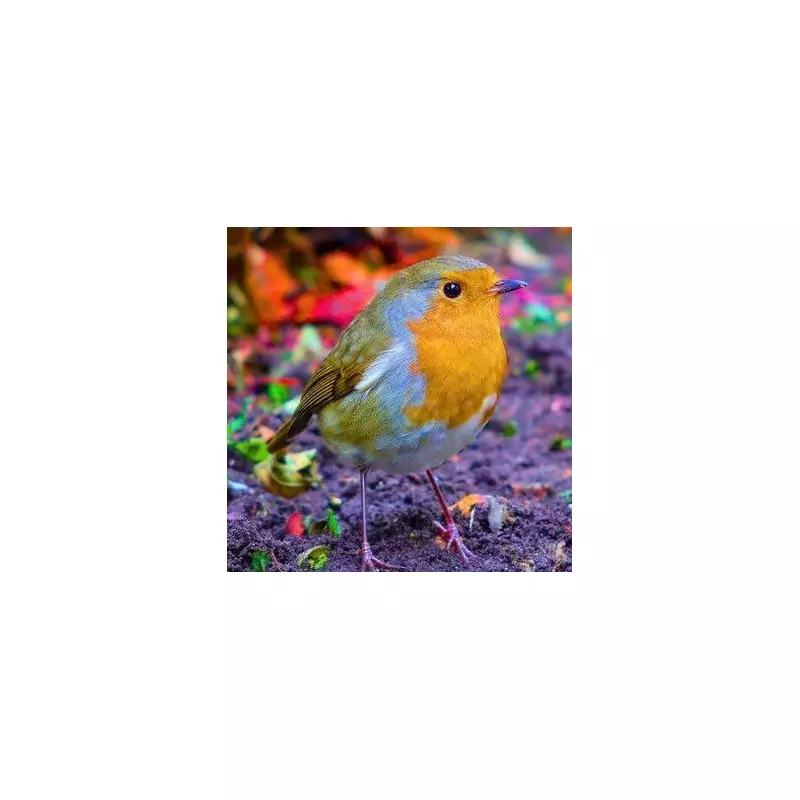
The cheerful sight of a robin in your garden during the chilly months is a true delight, and a remarkably simple, cost-free task this November can ensure they keep visiting. According to wildlife specialists at Bird Spot, this quick chore can make your outdoor space a vital haven for these beloved birds when they need it most.
Why Robins Need Your Help in November
Robins must consume substantial amounts of food during November to build up essential fat reserves. This stored fat is their key to staying warm and surviving the cold winter weather. The critical problem they face is that, at this time of year, their natural food sources, such as insects, are rapidly dwindling.
If a robin fails to find enough insects before the first frosts arrive, the consequences can be fatal. In their desperate search for sustenance, they are likely to move away from your garden, meaning you might not see another until the following year.

The 10-Minute Task: Create a Natural Larder
The experts reveal that the secret is to avoid cutting your lawn too short. Letting the grass grow longer provides shelter for insects and allows it to produce seeds, creating a natural feeding ground. This simple change makes hunting for worms and other invertebrates considerably easier for robins, who primarily feed on the ground.
For an even greater impact, you can create a dedicated wild patch or bug hotel. Find a sheltered spot in your garden, protected from wind and heavy rain. A sunny area near plants is ideal as it also provides a food source for the insects you are trying to attract.
Then, simply spend about ten minutes piling up natural materials. You can use logs, leaves, twigs, rocks, and stones to mimic a forest floor. For a more structured bug hotel, stack bricks or wooden pallets and fill the gaps with bamboo, dry leaves, bark, straw, cardboard, and tiles.
Building a Sustainable Ecosystem
This pile of garden debris does more than just offer temporary shelter. It encourages insects to breed, establishing a robust, self-sustaining ecosystem right in your garden. Different materials attract different creatures; for instance, beetles and spiders are drawn to dry leaves, bark, and cardboard, while worms prefer wet leaves and grass clippings.
By sustaining a healthy insect population, you provide a reliable food source for robins at a time when it is absolutely crucial for their survival. This natural approach means the birds will not struggle to find the food they need to store fat, encouraging them to flock to your garden throughout the winter.
For those who wish to offer additional support, you can supplement this with bought mealworms or suitable kitchen scraps. Experts advise offering protein-rich options like mild grated cheese, pieces of unsmoked bacon, or meaty pet food. A crucial warning is to avoid anything salty, hard, or leftover fat from roasting tins, as this can stick to their feathers and hinder their ability to fly and escape from predators.