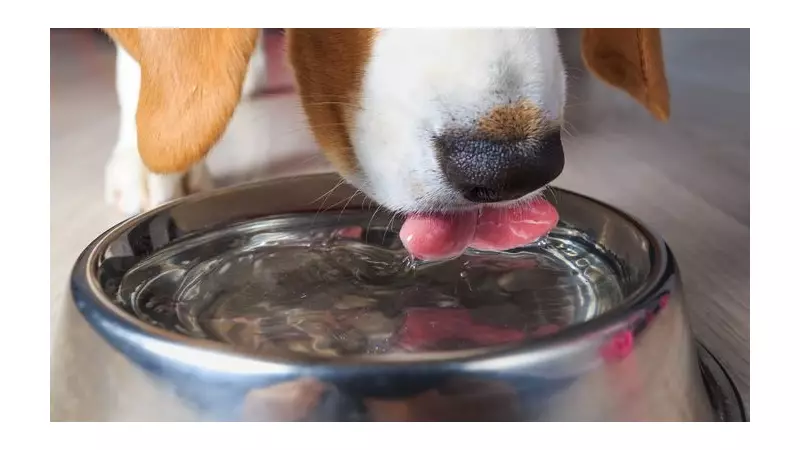
Pet owners across the UK are being issued an urgent warning to monitor their dogs' water consumption closely during the winter season. Despite the chilly weather, ensuring your canine companion stays adequately hydrated is a critical aspect of their care.
Why Dogs Drink Less in Cold Weather
Veterinary experts explain that a dog's natural thirst response diminishes significantly in cooler temperatures. Dr James Greenwood, a veterinary professional, clarifies this behavioural shift: "They pant less and don't sweat as much, which means they lose far less fluid than in summer. Additionally, the sensation of thirst tends to feel less urgent in cooler weather, so they simply don't feel the same need to drink."
This reduced instinct to drink is compounded by the fact that their bodies conserve moisture more efficiently when it's cold. However, water remains essential for regulating body temperature and maintaining a healthy digestive system. Public concern is evident, with Google searches for 'dog dehydration' surging by 144% in the past month alone.

Four Vet-Approved Hydration Strategies
To combat this seasonal challenge, Dr Greenwood has outlined four straightforward methods to encourage your dog to drink more water.
1. Offer Room-Temperature Water
While an ice-cold drink might appeal to humans, dogs often prefer lukewarm or room-temperature water, especially during winter. Providing water that isn't too cold can make it more inviting for your pet.
2. Switch to Wet Dog Food
Dietary adjustment is a highly effective strategy. Wet dog food contains 60 to 80% moisture, a stark contrast to dry food, which contains just under 12%. Incorporating wet food into their diet means your dog doesn't have to rely solely on drinking water to meet their hydration needs.
3. Provide Multiple Water Bowls
A simple yet effective tactic is to place several water bowls throughout your home. If a dog is settled comfortably, they are less likely to move to another room for a drink, particularly if they aren't feeling particularly thirsty. Having water readily available in multiple locations removes this barrier.
4. Make Drinking Fun with Play
For dogs showing a distinct lack of interest, introducing interactive elements can help. A pet water fountain can stimulate curiosity with the movement of the water. Other options include toys that can be filled with water and lick mats, which provide mental stimulation and can even release endorphins.
Additional Winter Warnings for Pet Owners
The winter advice doesn't stop at hydration. Owners are also cautioned about the increased risk of road accidents as daylight hours shorten. Tragically, around 80,000 dogs and 200,000 cats are killed by vehicles each year in the UK, according to the Blue Cross.
Furthermore, vets advise against walking dogs when temperatures drop below zero, as dogs, like humans, react differently to icy and snowy conditions. If your dog continues to show a persistent disinterest in drinking water, it is always best to consult a vet to identify any potential underlying health issues.