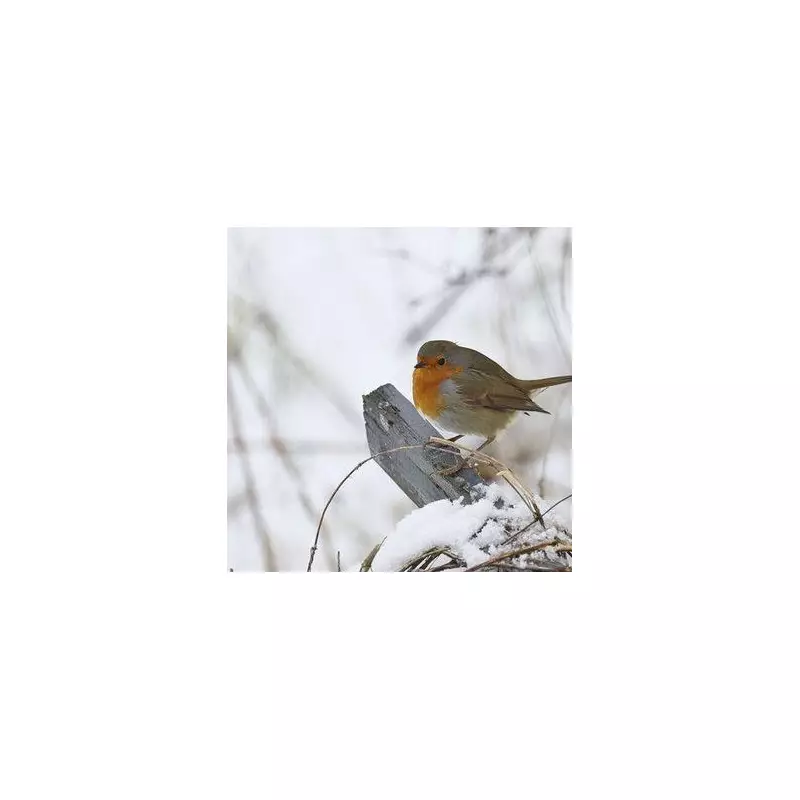
As the winter chill sets in across the UK, our beloved garden birds face a critical struggle to find enough food. Among them, the iconic robin, with its bright red breast, is particularly vulnerable. Providing the right sustenance is not just a kind act; it's a vital lifeline that can transform your garden into a bustling sanctuary for these charming visitors.
The Winter Struggle for Robins
During the winter months, natural food sources for birds become dangerously scarce. The Woodland Trust highlights that robins are especially reliant on insects and worms, which they are often seen hunting in gardens. However, when the ground hardens with frost, these vital prey items disappear. This nutritional gap means that well-intentioned help from humans can make the difference between survival and starvation for robins.
What to Feed Your Visiting Robins
Knowing exactly what to offer is key to supporting robin health. According to the Trust, robins "particularly enjoy" mealworms, whether they are fresh or dried. An excellent tip is to soak dried mealworms in water before putting them out; this provides the birds with a much-needed source of hydration during freezing weather.

If mealworms aren't available, don't worry. Robins have a varied palate and will also gratefully accept:
- Sunflower hearts
- Suet balls or blocks
- Crushed or grated nuts
- Small pieces of fresh fruit or vegetables
- High-quality seed mixes
It is crucial to avoid offering bread. While it may fill a robin's stomach, it lacks the essential fats and proteins they desperately need to conserve energy and stay warm through the cold season.
Top Tips for Safe and Effective Feeding
Simply putting out the right food isn't enough; how and where you offer it matters greatly for the birds' safety. Robins are ground feeders by nature and are not typically fond of hanging feeders. Using a bird table or a ground feeder tray is the most effective method to attract them.
Position the feeder in a sheltered spot to prevent rain from soaking the food, as damp food can quickly become mouldy and pose a serious health risk. Furthermore, hygiene is paramount. Any leftovers at the end of the day should be removed to stop robins from eating stale or spoiled food, which could cause illness.
By following this expert advice from the Woodland Trust, you can play a direct role in keeping robins healthy throughout winter. Offering their favourite foods in a safe environment will encourage these cheerful birds to become regular guests, bringing life, colour, and song to your garden during the bleakest months.