Nature lovers across northern England are being invited to spend their summer helping to search for rare butterflies and moths as part of a major conservation effort. National charity Butterfly Conservation is calling for volunteers to join surveys across Yorkshire, Cumbria, Northumberland and Lancashire, focusing on some of the region's most unusual species.
Target Species Include Emperor Moth and Green Hairstreak
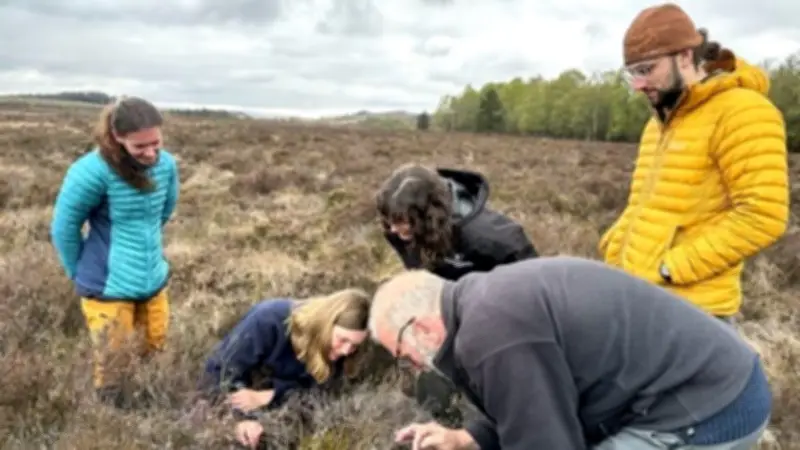
Project officers Charlotte Rankin and Kay Andrews are specifically seeking sightings of the magnificent Emperor Moth, the beautiful Green Hairstreak butterfly, and hairy Dark Tussock caterpillars. These species are among the weird and wonderful inhabitants of northern peatlands. Volunteers will gain professional conservation experience while discovering hidden natural wonders on their doorstep.
Kay Andrews shared an exciting encounter: "We've seen some fantastic things already this year: we were hunting for hairy caterpillars along Hadrian's Wall recently and we saw some Green Hairstreaks and lots of very hairy caterpillars - as well as a beautiful adder and we heard our first cuckoo of the year!" She added that butterfly and moth recording is a fun, easy activity: "It's mostly going for a nice walk on a sunny day, but when you record the species that you see on that walk, the data is so valuable in helping us work out what species are living where."

Peatland Project Funded by £300,000 Grant
Charlotte and Kay are recruiting helpers for a two-and-a-half-year project specifically focused on peatlands across northern England. The Making Peatlands Work for Lepidoptera project, funded with £300,000 by the Elgol Fund for Nature, aims to understand how rare species in these vulnerable habitats are affected by climate change and human actions. Over the past 200 years, European peat bogs have been destroyed by drainage for agriculture and industrial peat harvesting for fuel and compost. Now, climate change is bringing warmer weather that threatens the delicate plant balance and these precious ecosystems.
To assess peat bog health, the project targets three butterfly species—the Large Heath, Green Hairstreak, and Small Pearl-bordered Fritillary—and three moths—the Emperor, Manchester Treble-bar, and Wood Tiger. They are also interested in various hairy caterpillars found on peatlands.
Free Training and Events Across Four Counties
The pair will run free surveys, training days, and events across the four counties this summer. People can also participate by downloading the iRecord wildlife app and joining the Peatland Lepidoptera Recording Project to submit sightings digitally. Charlotte Rankin encouraged newcomers: "Even if people have never done anything like this in their lives, they can absolutely come and join us - we've had quite a few volunteers from Manchester and other areas who are new to it. A lot of people have said they just want to give back and want to do something positive for the environment, and this is a way that people can do that in their local area."
Kay Andrews added: "I went to help some volunteers set up our first new regular survey last week: they could have just surveyed for Large Heath which is one of our main target species, but they wanted to record everything they saw, so we did that and we recorded loads of different species, which was great."
Volunteer Shares Enthusiasm
New volunteer Lisa Bennington from Cumbria said: "I am a total newcomer to peatland butterflies so was glad we had really informative training at the RSPB Campfield Marsh reserve. We saw seven beautiful large male Emperor moths fluttering around a pheromone lure which mimics the scent of the female moth. We also saw the huge hairy caterpillars of the Dark Tussock and Northern Eggar moths on vegetation, and a lizard on the walkway as well as lots of birds. It's a great way to get out and see new places."
Ingrid Easton, director of Elgol Fund for Nature, said: "Elgol Fund for Nature is delighted to support this important project protecting some of the UK’s most threatened peatland butterflies. We are incredibly excited by the fantastic work Kay and Charlotte are doing to better understand and conserve these unique species and their habitats."
Find out more about the project and get involved at butterfly-conservation.org.