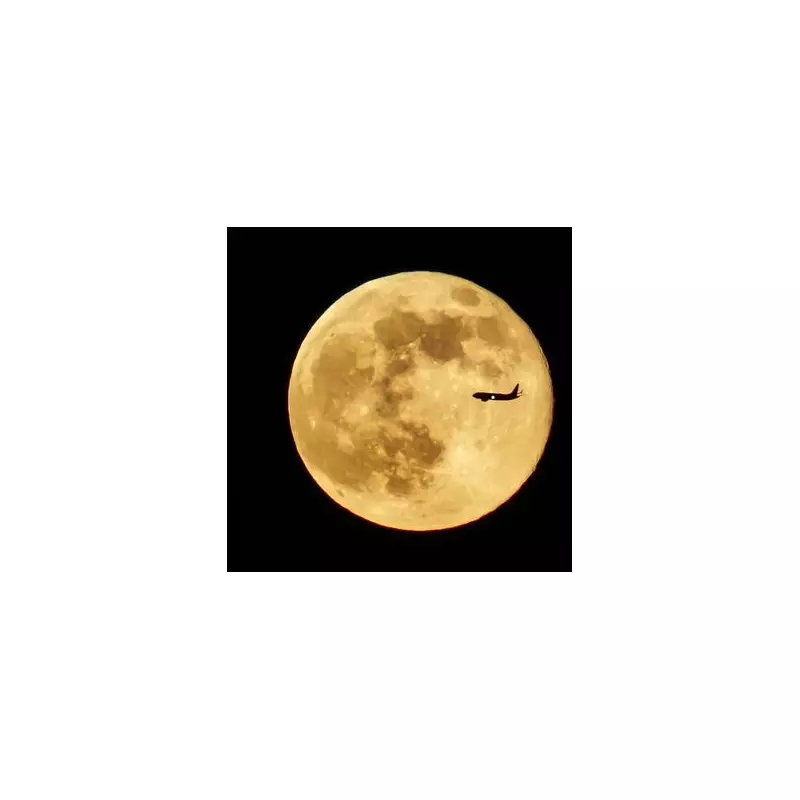
Stargazers across the United Kingdom are in for a spectacular celestial treat this week, as the final Supermoon of 2025 prepares to grace the night sky. This dazzling event, known as the Cold Moon, will offer a brilliant and enlarged lunar display for those with clear skies.
When and How to Witness the Cold Supermoon
The astronomical highlight is set for Thursday, December 4, 2025. The Moon will officially reach its full phase at 23:14 UK time, according to expert Dr. William Alston, a senior lecturer at the University of Hertfordshire. However, you won't need to stay up for that precise moment to enjoy the show.
The best viewing begins as the Moon rises above the eastern horizon in the evening. This is often when the Moon appears most impressive due to the famous "moon illusion", where our brain compares it to terrestrial objects, making it seem enormous. At this low angle, the lunar light also passes through more atmosphere, often creating stunning warm hues of red and orange.

The Science Behind the Supermoon Spectacle
A Supermoon occurs when a Full Moon coincides with perigee—the point in the Moon's orbit where it is closest to Earth. This December, our celestial neighbour will be a mere 221,965 miles (357,219 km) away. This proximity is what causes the dramatic visual effect.
Compared to an average Full Moon, this Supermoon can appear up to 14% larger and 30% brighter. Dr. Alston confirms this event marks the conclusion of the current series of Supermoons for the year. The next one is not due until January 3, 2026.
Viewing Tips and What's in a Name
Traditionally, the December Full Moon is called the Cold Moon, a name reflecting the deepening winter. It also carries other historical titles like the Winter Moon or Long Night Moon.
To make the most of this natural wonder, a simple step is crucial: check your local weather forecast. Clear skies are essential for unobstructed viewing. Find a spot with a good view of the eastern horizon, away from bright city lights if possible, and simply look up as dusk falls.
This event is a reminder of the beautiful cycles of our night sky, offering a chance to pause and appreciate a larger, brighter moon that has captivated humanity for millennia.