National Nest Box Week: A Call to Create Love Nests for Garden Birds
It's almost courtship season for our feathered friends, and now is the perfect time to create a love nest for garden birds during National Nest Box Week. Starting on February 14, The British Trust for Ornithology (BTO) has been running this brilliant bird conservation initiative since 1997.
Supporting Local Bird Populations
The aim is to create as many homes for birds in our gardens, yards, balconies, and local green spaces as possible, to support local bird populations before their breeding season begins. If you already have some nest boxes in your garden, now is the time to give them some tender loving care and clean them up for potential breeding pairs.
If you've had a nest box perched on a tree or fence for a few years with no action, it may also be time to re-think its location and give it a thorough clean. No need to wait until the 14th, though—the sooner, the better, as some birds start hunting for homes long before Nest Box Week begins.

Choosing the Right Nest Box
Just like us, different birds prefer different types of houses. They need safety, shelter, and security, so consider this when selecting where to place your nest box. A good rule of thumb is to choose a spot on the side of your house or in your garden with a clear flight path, facing north or east to provide sufficient shelter from the weather, and positioned higher than a metre above the ground.
For birds like the nuthatch, redstart, pied flycatcher, sparrows, and all the tits (blue, great, marsh, and coal tit), traditional nest boxes with a small entrance hole are ideal. These designs allow birds to flit in and out while protecting their nests from adverse weather and intruders such as other birds, cats, squirrels, and mice.
If you aim to attract a great spotted woodpecker or some noisy starlings, you'll need the same style of nest box but with a larger entrance hole. For birds that prefer an open view of their surroundings and more room to manoeuvre, open-fronted boxes are perfect. These wooden boxes feature a larger rectangle section cut out for easier access, suitable for robins, wrens, spotted flycatchers, and pied wagtails. However, this style is more vulnerable, so place it in a concealed location to shield eggs and chicks from predators.
Attracting Migrant Birds
If you've already enjoyed success in attracting birds to your feeders and nest boxes, you might aim higher and try to welcome migrant birds like swifts, swallows, and house martins. For these mighty migrators, a more specialised nest box is needed. For example, swifts require a medium-sized box with a small oval-shaped entrance.
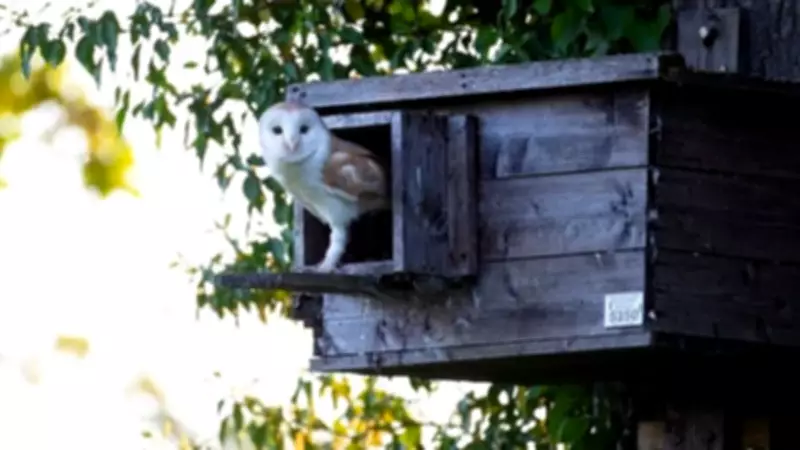
By siting a very large nest box in a good location, you may even tempt a barn owl, tawny owl, or kestrel to stay at your bird bed and breakfast.
Top Tips for Creating Love Nests
- If you are buying a nest box, try to ensure it is made from recycled wood or materials from a renewable source. Supporting our beautiful local birds shouldn't come at the cost of other birds and wildlife habitats elsewhere.
- If you are making your own box, the size of the house doesn't matter too much, but the entrance hole does. A hole size of 25mm to 32mm is ideal for common birds. The wood should also be around 15mm thick to ensure it doesn't warp or buckle, providing chicks protection against the cold and preventing overheating in warmer weather.
- Try not to place nesting boxes too close together if you are putting up more than one. Birds of a feather don't always flock together, and nearby nest boxes can cause neighbourly disputes and aggressive behaviour, which is disruptive to the nesting pair and their young. The same applies to placing boxes near feeders, as flurries of activity from visiting birds and potential predators can prevent breeding birds from nesting in peace.
Find out more about National Nest Box Week and discover expert advice on specialised bird boxes, as well as how to attract and protect your nesting birds, from the BTO website. You can also find a guide to making your own swift box on our website.