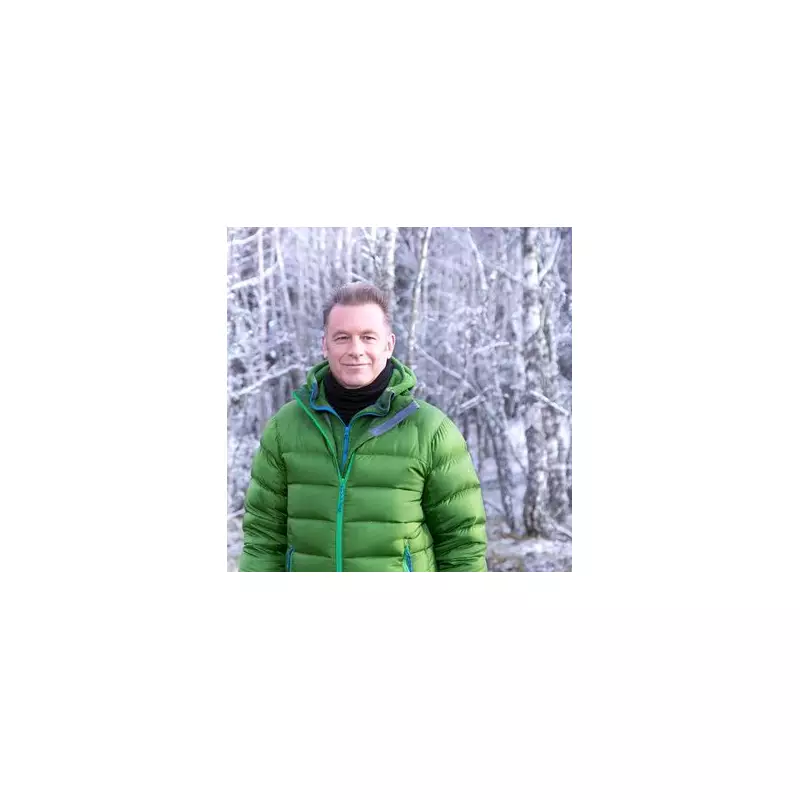
Television naturalist Chris Packham has issued a stark warning that the UK's beloved tradition of feeding garden birds may need to be radically reconsidered to prevent the spread of deadly diseases. The BBC presenter suggests a major shift in public behaviour could be required to protect avian populations.
The Disease Dilemma Facing Britain's Birds
Ahead of the return of BBC Winterwatch, Packham explained that the nation's substantial investment in wild birds—totalling £350 million annually on seed, feeders, and tables—is now under scientific scrutiny. The core issue is the transmission of illnesses through bird saliva at feeding stations.
"There are a couple of reasons why it's being questioned," Packham stated. "Firstly, a number of diseases are spread by bird saliva. We know these diseases are a real problem, but equally we know that by feeding the birds we are supplementing a diet which they're struggling to satisfy because of problems in the wider countryside."

He described the situation as being "between a rock and a hard place", acknowledging that tough decisions lie ahead for wildlife lovers.
Specific Threats and a Personal Solution
Packham highlighted trichomonosis as a particular scourge, which has devastated finch populations including greenfinches, chaffinches, and goldfinches. Another unnamed disease is currently "hammering our blackbirds" via contaminated food on the ground.
The 64-year-old naturalist admits changing a "national institution" like winter bird feeding will not happen overnight. He compares it to the public adoption of picking up dog waste—a habit that took time to become normalised.
In his own New Forest garden in Hampshire, Packham has developed a rigorous hygiene routine. He uses about five feeders and keeps a plastic dustbin full of biodegradable sterilising fluid. Each time a feeder empties, it is sterilised before being rotated back into use.
His caution is personal; last winter he ceased feeding entirely for several months after his dogs discovered dead chaffinches on his property.
Winterwatch's Role and Unflinching Nature
The upcoming series of Winterwatch, broadcasting live from the National Trust's Mount Stewart estate in County Down, Northern Ireland, will tackle this complex issue head-on. Packham confirmed "the jury's out" on a definitive answer, and the programme will present scientific research to help the public make informed choices.
The new location, a sanctuary for red squirrels on the banks of Strangford Lough, will also showcase winter wildlife using thermal imaging technology. Packham promised viewers would see pine martens, otters, and badgers after dark.
He also defended the show's policy of broadcasting nature's raw reality, including predation. Referencing a previous episode where a fox killed and ate a stoat, he argued: "Our duty is to report accurately and dispassionately."
"No one cries when the blackbird eats the worms, but everyone gets upset when the fox eats the blackbird. Our job is to explain that there really isn't much difference between that at all," he contended, while drawing a line at gratuitous footage.
The debate on bird feeding represents a significant moment for UK wildlife conservation, balancing heartfelt public engagement with the harsh necessities of ecological health. The discussion begins in earnest with the return of Winterwatch.