In a heartwarming conservation success story, an orphaned seal pup named Kale has been spotted thriving with her own pup off the North Wales coast, more than five years after being rescued and rehabilitated by the RSPCA.
From Rescue to Motherhood
Kale's journey began in 2020 when she was brought to Stapeley Grange Wildlife Centre near Nantwich in Cheshire by the British Divers Marine Life Rescue (BDMLR). The grey seal pup was in poor condition and required intensive care from the specialist team.
Lee Stewart, manager of RSPCA Stapeley Grange Wildlife Centre, explained: "When she came into our care she wasn't in a great condition, but thanks to our dedicated team here and with support from Welsh Mountain Zoo, she made a great recovery."

The rehabilitation process lasted three months and involved tube feeding initially, followed by hand feeding fish until Kale could feed herself independently. Once she gained sufficient weight, she moved to outdoor pools to prepare for life back in the wild.
Successful Return to the Wild
Before her final release, Kale spent time at the Welsh Mountain Zoo in Colwyn Bay, where deeper pools provided ideal conditions for building strength and swimming skills. This crucial step in her rehabilitation prepared her for survival in coastal waters.
Kale was eventually released into the coastal waters off North Wales, and unlike many released animals, she didn't disappear from view. Last year, volunteers from a Welsh seal group reported sighting her in the same area, indicating she had established territory successfully.
A New Generation
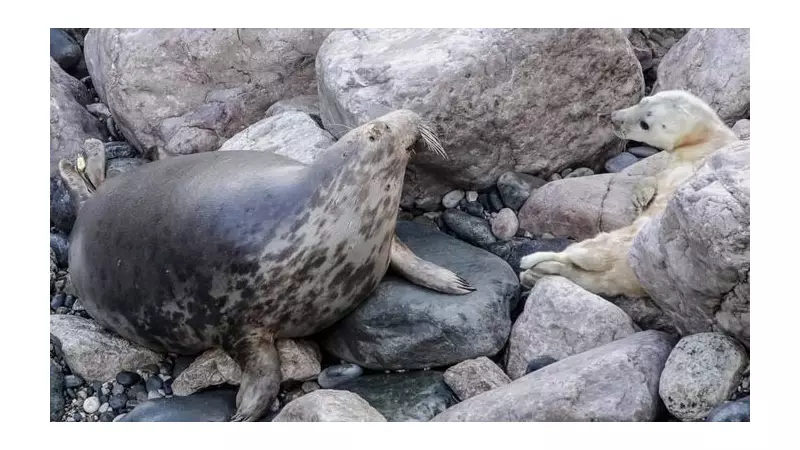
The most exciting development came recently when wildlife photographer Adge Lane captured beautiful images of Kale with her own pup, named Amethyst. The photographs show both seals thriving in their natural habitat, not far from where Kale was originally released.
"This is such an uplifting story to hear that Kale has done so well back in the wild that she is now looking after her own pup," Stewart expressed. "Our seal pups are tagged so they can be monitored post release. It's essential we know that how we rehabilitate our animals works, so sightings post release help reinforce our methods."
Seal Conservation Challenges
The growing seal population has left rescue centres more stretched than ever as higher numbers of underweight, sick or injured pups require help. Stapeley Grange is one of only about 12 facilities in the UK capable of undertaking expert seal rehabilitation work.
Other centres like RSPCA East Winch in Norfolk, RSPCA Mallydams Wood in East Sussex and RSPCA West Hatch in Somerset can also hold pups through to release, something Stapeley Grange has now started to do.
The RSPCA stresses that people should exercise caution before approaching seal pups that may appear abandoned. A seal pup alone on a beach isn't necessarily cause for concern, as mothers regularly leave their pups early in life.
Experts recommend monitoring pups for at least 24 hours before intervening, as they're sometimes taken to rescue centres by mistake. Observers should maintain a distance of at least 100 metres with binoculars and keep dogs on leads, as seals can deliver nasty bites.
Anyone concerned about a seal can check the RSPCA's website for advice. To support the rehabilitation of seals and other wildlife, donations can be made through RSPCA Stapeley Grange's Justgiving page or Amazon wishlist.
The rising number of calls is placing added pressure on RSPCA officers this winter, prompting the charity to launch its Big Give Back to Animals campaign to raise vital funds for rescuing abandoned and neglected animals.