As the dark mornings gradually recede and daylight hours slowly increase, subtle signs of seasonal change are emerging despite the recent cold weather. Each dawn now breaks with the tentative sounds of the dawn chorus returning after its winter hiatus, a welcome herald of spring's approach.
The Dawn Chorus Returns
The chorus remains relatively quiet for now, with just a few pioneering species beginning to tune up their voices. However, each new songster that joins the ensemble feels like the return of a long-absent friend. Robins, Dunnocks, and Blackbirds are being joined by the bold, strident notes of Mistle Thrushes, with avian activity increasing noticeably as the days lengthen.
It's therefore perfectly timed that the Royal Society for the Protection of Birds celebrates this period with their long-running Big Garden Birdwatch. This annual survey runs from January 23rd to January 25th, offering everyone the chance to contribute to vital wildlife monitoring.

The World's Largest Garden Wildlife Survey
As the biggest garden wildlife survey globally, the Big Garden Birdwatch aims to record how common bird species are faring across the United Kingdom. The data is compiled from hundreds of thousands of volunteer observations, creating an invaluable picture of avian population trends.
Last year's survey saw remarkable participation, with over 590,000 people across the UK taking part. Together they counted a staggering 9.1 million birds. House Sparrows claimed the top spot as the most frequently observed species, though concerningly, their numbers have declined by 60% since the survey began in 1979.
A Troubling Decline
The broader picture reveals even more worrying trends. Over the last sixty years, the UK has lost approximately 38 million birds from its skies. With avian populations facing numerous challenges, participation in the Birdwatch has never been more crucial for conservation efforts.
Some species have experienced particularly dramatic declines. Song Thrushes, for instance, have shown an 83% reduction since the survey's inception. However, not all trends are negative, with some species demonstrating remarkable adaptability to changing conditions.
The Remarkable Blackcap Transformation
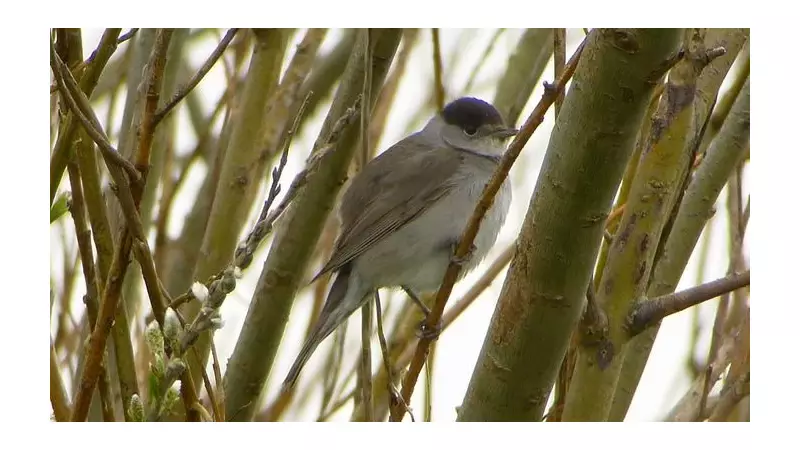
One of the most fascinating success stories involves the Blackcap. Once considered exclusively a summer migrant to British gardens, this distinctive bird has transformed into a winter staple across most of the country. Visitors can now regularly spot them feasting on sunflower hearts and fat balls at garden feeding stations.
This behavioural shift represents a direct response to climate change. As winters have become progressively milder, Blackcaps have adapted their lifestyles to survive the colder months. Their winter survival now depends on reliable food sources, particularly garden feeding stations and sugar-rich wild berries that sustain them through the lean season.
Every Observation Counts
Every bird recorded – or notably absent – provides the RSPB with valuable insights into how garden birds are coping with modern environmental pressures. Participation requires no expertise, and this time of year offers ideal surveying conditions as many species congregate in gardens and parks seeking shelter and winter food sources.
The survey itself requires just one hour of observation, and the RSPB's website offers comprehensive free resources to make the experience both straightforward and enjoyable. Detailed submission guidelines ensure your observations contribute effectively to the national dataset.
Schools Join the Effort
Simultaneously, the RSPB is running the Big Schools' Birdwatch, which educational institutions can participate in until February 13th. This parallel initiative helps engage younger generations with wildlife conservation and environmental monitoring from an early age.
John Dempsey, who contributed this observation, works for Green Sefton. This Sefton Council service coordinates multiple teams – including Coast & Countryside, Parks & Greenspaces, Flooding & Coastal Erosion, Risk Management, and Grounds Maintenance – to provide integrated management of Sefton's beautiful coastline, parks, and green spaces.