As a deep freeze approaches, gardeners across the UK are being called upon to take simple but vital daily actions to support beloved bird species like robins and sparrows throughout the harsh winter months.
Why Our Garden Birds Need Us Now
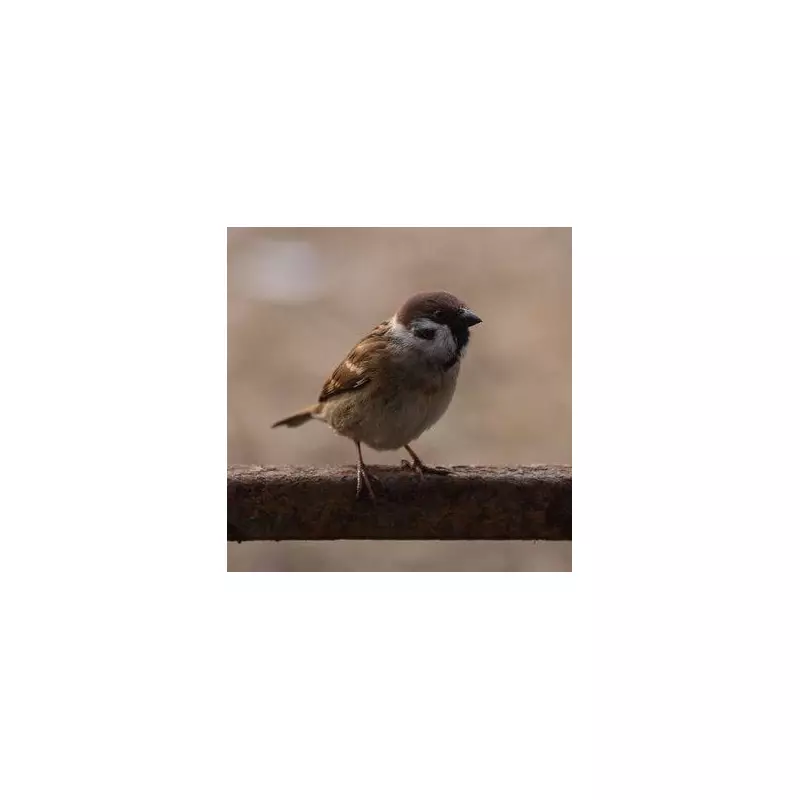
British gardens become crucial sanctuaries for wildlife during winter, not just the summer. Many familiar bird species, including the festive robin and the sociable house sparrow, choose to remain in the UK rather than migrate, leading to intense competition for increasingly scarce food resources.
Gardening expert Richard Jackson highlighted the importance of the robin, stating it is one of our most charismatic winter birds. He noted, "The friendly robin is a great asset in our winter gardens and has been hailed as the UK's favourite bird." He described how these territorial birds must fiercely defend their patches to survive, especially if a garden is rich in food or has a helpful human providing sustenance.

The Plight of the House Sparrow
While sparrows are a common sight, they face significant challenges. Experts from GardenBird point out that despite their sociable nature, house sparrows have had a very tough time throughout history.
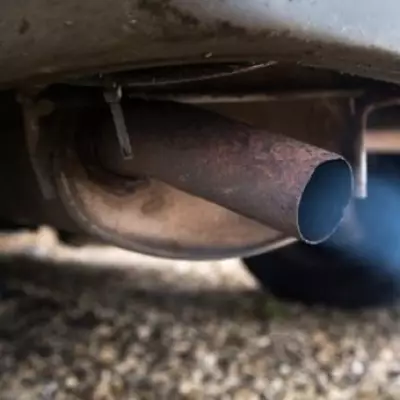
Alarmingly, RSPB research shows that between 1977 and 2008, house sparrow populations declined by as much as 71 percent. This decline, particularly acute across England, is attributed to a combination of factors: reduced food availability, climate change, pollution, disappearing nesting spots, and even the switch to unleaded petrol, which reportedly produces toxic compounds.
How You Can Help: Practical Feeding Advice
The Royal Society for the Protection of Birds (RSPB) offers clear guidance for those who want to make a difference. The key recommendation is to establish a consistent feeding routine.
Put out bird food and fresh water on a regular basis through autumn and winter. In severe weather, the advice is to feed twice daily to meet the high energy demands of birds trying to stay warm.
Birds require high-energy, high-fat foods during cold weather. Suitable options for both robins and sparrows include:
- Nuts and seeds
- Suet balls or blocks
- Specialist bird food like mealworms
Sparrows are less particular and will also happily eat kitchen leftovers. A useful tip to prevent squirrels from stealing the food is to add a spicy element, which deters the mammals but does not bother the birds.
The RSPB also cautions gardeners to adjust the quantity of food to the demand and to never allow uneaten food to accumulate. Most importantly, once a feeding routine is established, try not to change it, as the birds will become reliant on it.