The UK government has enacted a nationwide lockdown for poultry in England following a significant surge in outbreaks of a dangerous bird flu strain on commercial farms.
What are the new control measures?
In response to the escalating situation, the Department for Environment, Food and Rural Affairs (Defra) has made it mandatory for all poultry keepers across England to house their birds indoors. This decisive action, an England-wide housing order, was announced by UK chief veterinary officer Christine Middlemiss and came into effect last Thursday.
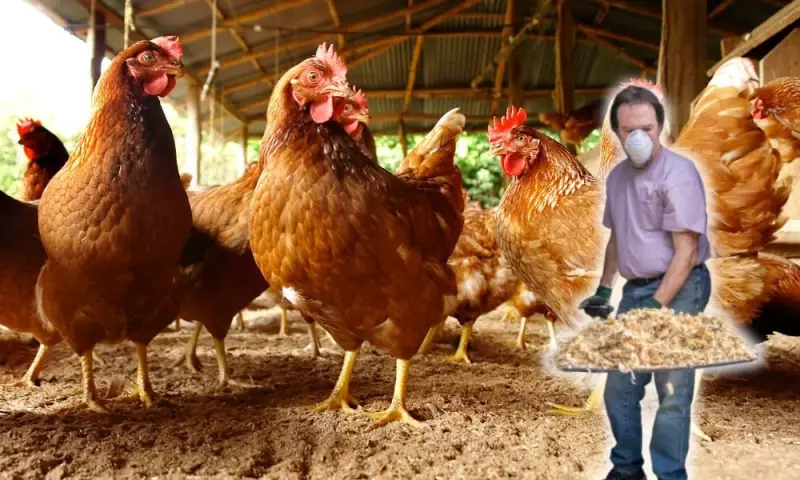
The order requires anyone with more than 50 birds, or those who sell or give away eggs, to keep them inside a roofed building such as a barn or shed. This extends earlier, more localised measures to the entire country. Alongside this, a Great Britain-wide avian influenza prevention zone remains active, enforcing strict biosecurity protocols for all bird owners, from commercial farmers to backyard hen keepers.

These protocols include regularly disinfecting footwear and equipment, cleansing housing, and making properties less attractive to wild birds, which can carry the disease.
How severe is the current outbreak?
Over recent weeks, authorities have confirmed a spike in cases of the highly pathogenic H5N1 strain of avian influenza. According to reports, there have been 22 confirmed cases on commercial farms across England, with infections detected from Lancashire to Norfolk. Specific recent cases include farms in Hallow, Worcestershire; Norfolk; Lincolnshire; and North Yorkshire. Cases have also been identified in Wales and Northern Ireland.
On farms where the virus is detected, all poultry are humanely culled to prevent further spread. Chief veterinary officer Christine Middlemiss acknowledged the impact on the industry but stated that housing birds is a necessary step, proven from previous years to reduce infection rates from the current high level.
Is there a risk to human health?
The strain involved, H5N1, is known to be transmissible to mammals, including humans. However, the UK Health Security Agency (UKHSA) and Defra have both stated that the current risk to the general public's health remains low.
The World Health Organisation (WHO) confirms that most human infections occur through close contact with infected birds or contaminated environments, and the virus does not currently spread easily between people.
For consumers, the government advises that properly cooked poultry and eggs are safe to eat. The UKHSA continues to monitor the situation closely for any changes in the level of risk to human health.