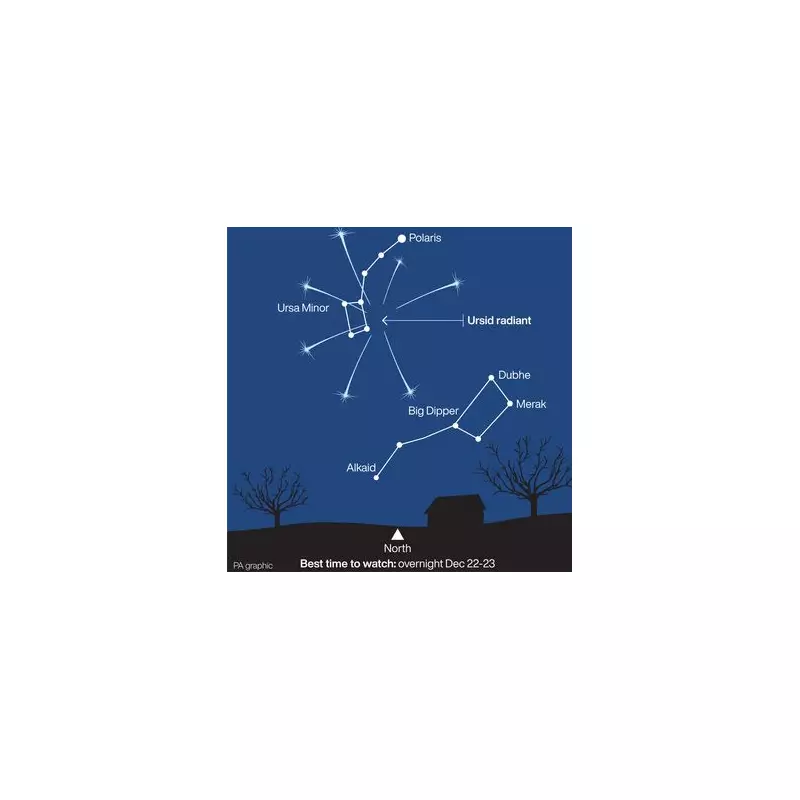
Skywatchers across the United Kingdom are in for a potential celestial treat tonight as the Ursid meteor shower reaches its peak activity. This annual December event promises a subtle but magical light show for those willing to brave the winter chill and seek out dark skies.
When and Where to Watch the Ursids
The Ursid shower is active between December 17 and 26, with the peak occurring on the night of December 21 into the early hours of December 22. For the best chance of spotting shooting stars, astronomers advise heading outside between midnight and dawn. This year's timing is particularly favourable, as the peak coincides with the winter solstice, granting the maximum hours of darkness. A thin waxing crescent moon will also set early, leaving the sky wonderfully dark for spotting fainter meteors.
This shower is named after the constellation Ursa Minor (the Little Bear), as the meteors appear to radiate from that point in the sky. However, for the best view, experts recommend looking roughly 30 degrees away from Ursa Minor to catch the longest, most dramatic trails. Your best strategy is to find a wide-open space and scan the entire sky patiently.

What to Expect from the Ursid Display
The Ursids are known as a relatively sparse shower, typically producing around ten meteors per hour at their peak. While this is lower than major showers like the Perseids or Geminids, the scarcity can make each fleeting streak of light feel more special. The meteors are actually fragments of debris left behind by comet 8P/Tuttle, which was discovered back in 1790.
Patience and preparation are key for a successful meteor-watching session. It can take up to 30 minutes for your eyes to fully adapt to the dark, so avoid looking at your phone or any bright lights. Dress warmly, bring a reclining chair or blanket, and be prepared for a long wait, as there is no schedule for when individual meteors will flash across the heavens.
Tips for the Best Viewing Experience
To maximise your chances, escaping light pollution is crucial. Leave built-up urban areas behind and head to a rural or isolated spot where the sky is at its darkest. Your location is the single biggest factor in determining how many meteors you'll see.
Historically, the Ursids have been known to surprise observers. While usually quiet, they have occasionally produced rare bursts of 100 or more meteors per hour. These unexpected surges happen when the Earth passes through an unusually dense clump of debris from comet 8P/Tuttle, offering the potential for a truly spectacular display.
So, if clear skies prevail tonight, wrap up warm, find a dark spot, and look up. You might just be rewarded with a serene and sparkling pre-Christmas gift from the cosmos.