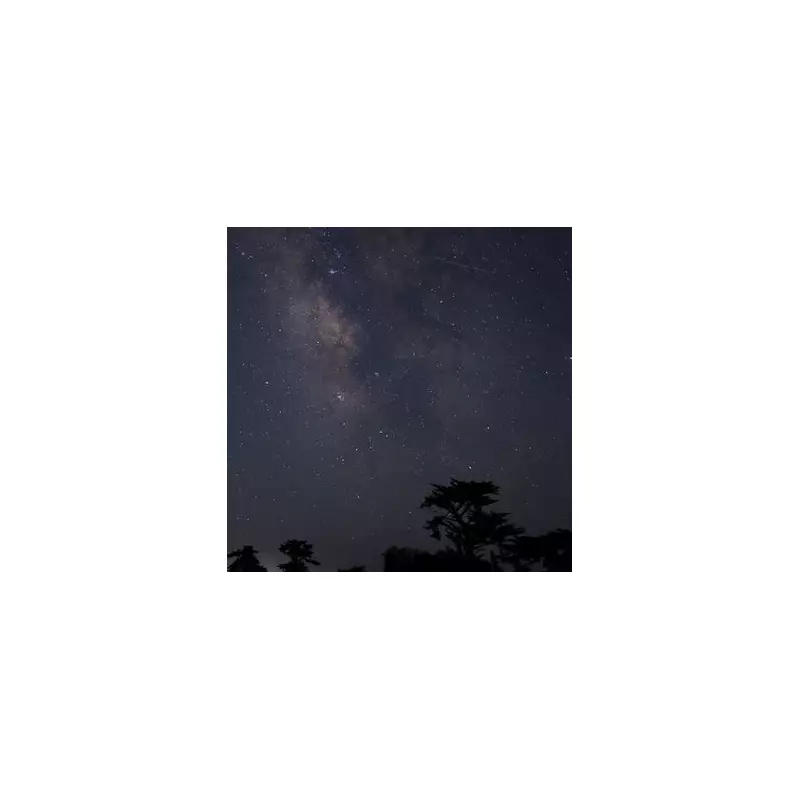
The night sky over the United Kingdom is set to host a celestial spectacle as the Ursid meteor shower reaches its dazzling peak this evening, December 22. This annual event offers a chance to witness nature's own fireworks display, provided stargazers can find a clear, dark patch of sky.
When and Where to Watch the Cosmic Display
According to astronomers at the Royal Museums Greenwich, the Ursid shower has been active since December 17 and will continue until December 26. However, the absolute best opportunity to see it is tonight, December 22, when the shower reaches its maximum intensity. During the peak, observers might spot up to 10 meteors per hour streaking across the heavens.
The optimal viewing window is between midnight and dawn. This year's conditions are particularly favourable because the peak coincides with a thin waxing crescent Moon, which will set early in the evening. This leaves the sky deliciously dark, creating a perfect backdrop for spotting faint meteors.

Maximising Your Chances of a Sighting
Seeing a meteor shower is never guaranteed, as success hinges on overcoming two main obstacles: weather and light pollution. Overcast skies can completely obscure the show, while the glow from towns and cities can wash out all but the brightest streaks.
The single most important tip is to get as far away from built-up areas as possible. Seek out a rural location with a wide, unobstructed view of the sky. Allow your eyes at least 20 minutes to adjust fully to the darkness for the best sensitivity.
Interestingly, the shower's peak aligns with the winter solstice, which provides the longest night of the year. This means more potential hours of darkness for dedicated sky-watchers to enjoy the display.
The Science Behind the Ursids
The shower gets its name from the constellation Ursa Minor (the Little Bear), as this is the point in the sky from which the meteors appear to originate, known as the radiant. For the best view, experts advise looking approximately 30 degrees away from Ursa Minor itself, rather than directly at it. This technique often yields longer and more impressive meteor trails.
Often overshadowed by more prolific showers and the bustle of the Christmas holidays, the Ursids offer a quieter, more intimate astronomical event. With a bit of planning, patience, and luck with the clouds, tonight presents a wonderful opportunity to wrap up warm and look up at one of the year's final celestial highlights.