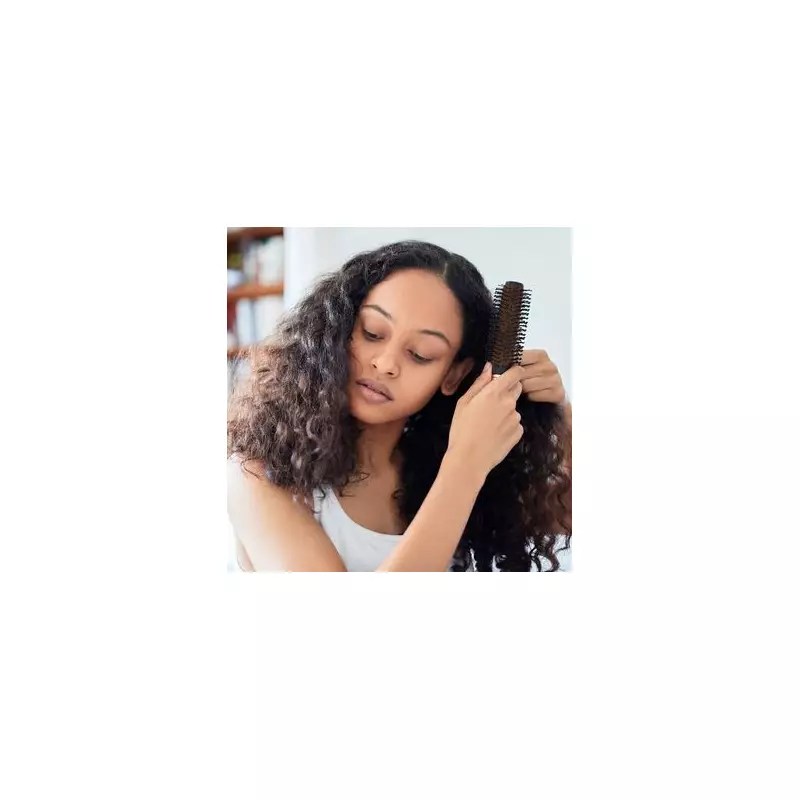
A popular hair smoothing treatment, often marketed under the name 'hair botox', is causing frustration for some users, with reports of it leaving hair feeling and looking incredibly greasy and limp.
What is 'Hair Botox' and Why the Greasy Result?
Despite its name, the treatment contains no botulinum toxin. It is a deep conditioning and smoothing procedure designed to fill gaps in the hair shaft with proteins, acids, and vitamins. The goal is to create smoother, frizz-free, and shiny hair.
However, the issue often arises from a crucial final step. The treatment typically involves applying a special sealing shampoo or 'neutralising' wash after the product has been processed. Failing to use this provided product or using a regular shampoo instead can leave the conditioning agents unrinsed, resulting in a heavy, greasy film on the hair that can last for days.

Hair experts clarify that when performed correctly with the right aftercare, the treatment should not leave a residue. The greasy outcome is a sign of improper rinsing, not necessarily a fault of the product itself.
Key Differences from Keratin Treatments
It is important to distinguish 'hair botox' from more traditional keratin smoothing treatments. While both aim to reduce frizz, they work differently.
Keratin treatments often use formaldehyde or similar derivatives to bond keratin protein to the hair, creating a straighter, smoother effect that can last several months. They usually require careful aftercare, including avoiding washing the hair for a set period.
'Hair botox' is generally considered a more intensive conditioning treatment. It is often formaldehyde-free and works by hydrating and filling the hair rather than chemically altering its structure. The results are typically less permanent than a keratin treatment, lasting around 2-3 months.
How to Avoid a Hair Disaster
For anyone considering this treatment, professionals advise the following to prevent a greasy outcome:
- Follow Aftercare Instructions Precisely: Use the shampoo and conditioner provided by the salon for the first few washes. Do not substitute with your own products.
- Clarify Before the Treatment: Some stylists recommend using a clarifying shampoo in the days before your appointment to remove any product build-up, allowing the treatment to penetrate properly.
- Communicate with Your Stylist: Discuss your hair type and concerns beforehand. Fine or oily hair may require a modified application or a different treatment altogether.
- Be Patient: If your hair does feel greasy post-treatment, it may improve after a few washes with a clarifying shampoo. However, severe cases might require a salon visit for correction.
The key takeaway is that while 'hair botox' can offer impressive smoothing and shine, its success hinges on correct application and strict adherence to the aftercare routine provided by a qualified stylist.