Solihull Mother's Inspiring Story: Supporting Her Daughter Through Tics
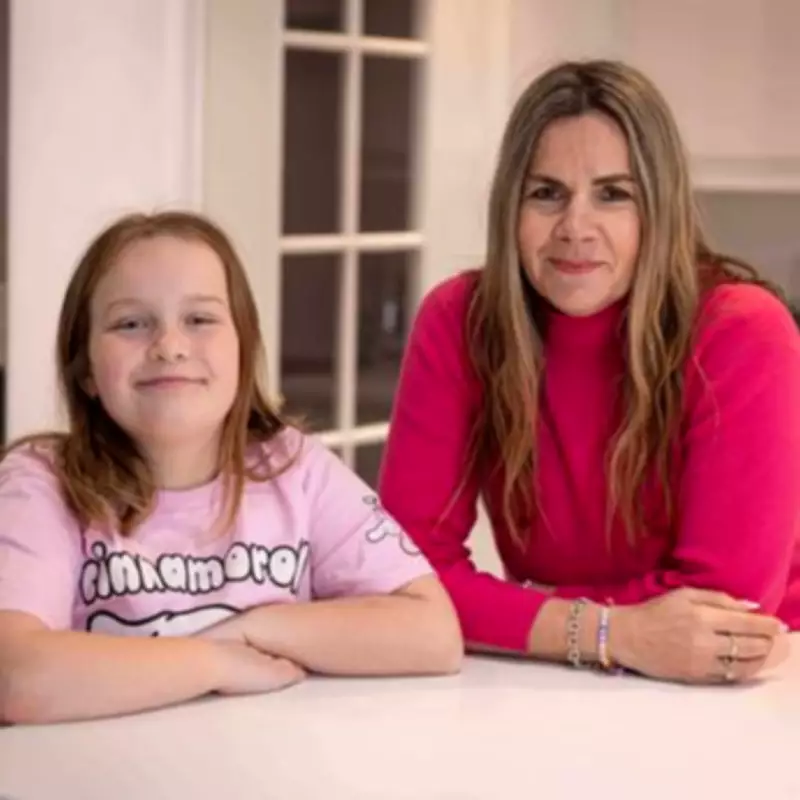
A dedicated mother from Solihull has opened up about her experience in assisting her daughter with managing tics, offering hope and practical insights to other families facing similar challenges. Sophie Baker, now 10 years old, began exhibiting tics at the age of four, starting with throat clearing and gradually progressing to more complex movements such as shouting, shrugging her shoulders, flinging her arms out, and even spitting on the floor.
Seeking Professional Help and Discovering CBIT Therapy
By the time Sophie reached 10, she had developed a total of 12 tics, prompting her mother, Zoe Reece from Dickens Heath, to seek expert assistance. She turned to Birmingham Child and Adolescent Therapist Laura Gwilt at Swift Psychology in the Jewellery Quarter. Laura recommended Comprehensive Behavioural Intervention for Tics therapy, a behavioural approach designed to equip families with practical tools to take control of tic management.
While Tourette's syndrome has gained recent attention through media like the Netflix film I Swear, it is important to note that tics can be a symptom of this condition, though they are not synonymous. NHS guidelines indicate that tics can often be linked to factors such as stress, anxiety, tiredness, or excitement. However, for Sophie, the tics manifested uniquely, appearing only when she was relaxed and in the comfort of her own home.

Effective Strategies and Positive Outcomes
Through just six sessions of CBIT therapy, Sophie and her mother gained valuable strategies to manage the tics effectively, leading to a noticeable reduction in their frequency. One innovative technique involved creating a code word—banana—which Zoe would use whenever she observed Sophie beginning to tic. This gentle reminder allowed Sophie to become aware of the tic and substitute it with a smaller, less noticeable action, making the original tic more difficult to perform.
Despite its effectiveness and recommendation in clinical guidelines, access to CBIT and specialised tic support remains severely limited across the UK, resulting in extensive waiting lists. Laura Gwilt highlighted this issue, stating, "Parents are often left trying to manage things on their own, and young people may not get the help they need at the right time." She further explained that a lack of awareness about tics can lead to misunderstandings in educational and social settings, where they might be misinterpreted as behavioural problems rather than neurological conditions.
The Importance of Awareness and Early Intervention
This gap in support can exacerbate distress for both children and their families, particularly since early intervention can significantly improve outcomes. For Zoe, it was crucial that Sophie did not perceive her tics negatively or feel pressured to change. She reassured her daughter by saying, "I love your little habits, they are part of you," fostering a supportive and accepting environment.
The story underscores the need for increased awareness and accessible resources for tic management, empowering families to navigate these challenges with confidence and compassion.