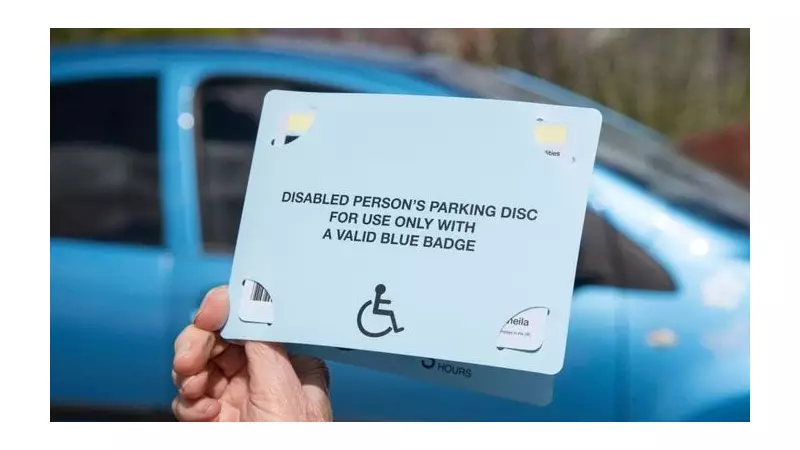
Fresh demands are being made in Parliament to overhaul the Blue Badge parking permit system, arguing it fails people living with unpredictable, fluctuating medical conditions.
Current System Leaves Many Behind
The scheme, which provides vital parking concessions, is currently reserved for individuals with severe mobility problems, significant visual or limb impairments, or non-visible disabilities that cause substantial distress during a journey. Local councils hold the power to decide eligibility, basing their judgments on medical evidence or benefit awards such as Personal Independence Payment (PIP) and Disability Living Allowance (DLA).
Permits typically last for three years and often expire in line with time-limited benefit awards. However, growing concerns highlight that this rigid framework is ill-suited for those whose health varies dramatically from day to day, leaving them without support on their "bad days."

Parliamentary Pressure for a Fairer Approach
In a recent parliamentary question, Liberal Democrat MP Tom Morrison directly challenged Transport Secretary Heidi Alexander. He asked if she would "take steps to extend the qualifying criteria for Blue Badges" to ensure people with Parkinson's and other fluctuating conditions become eligible.
In response, Transport Minister Simon Lightwood stated the scheme focuses on the physical impact on mobility rather than a specific diagnosis. He clarified that while conditions like Parkinson's do not grant automatic eligibility, applicants may still qualify based on the evidence they provide. "Any decisions on an applicant's eligibility are ultimately for the responsible local authority," he emphasised.
Proposals for Temporary Badges and Local Powers
The debate has also opened discussions on introducing more flexible, short-term options. Conservative MP Andrew Rosindell raised the prospect of giving councils the power to issue temporary Blue Badges for people recovering from major surgery or a serious temporary illness.
Mr Lightwood responded by pointing out that local authorities already possess the necessary powers under the Road Traffic Regulation Act 1984. He explained they are free to set up locally determined temporary parking concessions to assist residents in recovery, with the cost and nature of such schemes being a local decision.
Despite this, the government maintains that the primary focus of the national Blue Badge scheme is to assist those with "an enduring and substantial disability" affecting mobility. The Department for Transport says it routinely monitors the scheme to identify potential improvements, ensuring it serves those who need it most.
The ongoing pressure from MPs underscores a significant gap in support for thousands of people across the UK, pushing the issue of fair access to essential services to the forefront of the political agenda.