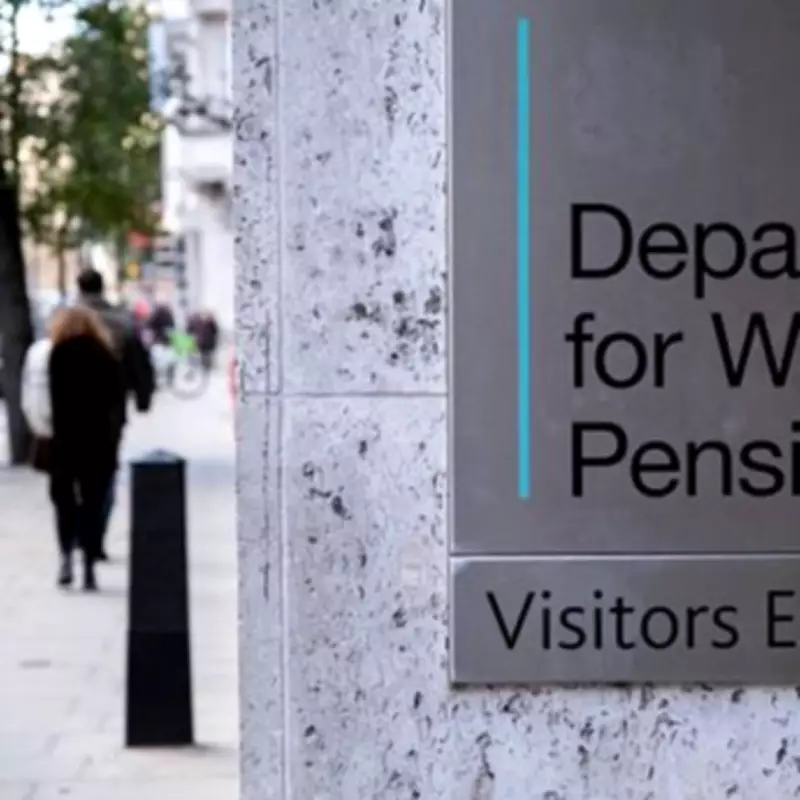
DWP's Disability Confident Scheme Faces Scathing Criticism as Survey Exposes Recruitment Failures
The Department for Work and Pensions has ignited a firestorm of controversy with its handling of disability benefits claimants, as critics lambast recent changes as a "bad joke" that undermines the very people it aims to support. This backlash follows a damning survey conducted by the DWP itself, which uncovered that one in three employers participating in the Disability Confident scheme have recruited zero disabled individuals since joining the initiative.
Disability Confident Scheme: A Voluntary Initiative Under Scrutiny
The Disability Confident scheme is a voluntary UK government program designed to encourage businesses to recruit, retain, and develop disabled workers. It offers free guidance to help companies challenge negative attitudes toward disability, reduce discrimination, and foster greater inclusivity in the workplace. However, the recent survey findings have cast serious doubt on its effectiveness and implementation.
James Moore, a prominent disability rights campaigner, took to social media to express his frustration, stating: "The Disability Confident scheme is a bad joke. A badge that imposes no requirements to get it is just a badge. A lousy one. The government claims that it wants to 'help' disabled people to find work. I've seen scant evidence to back that up. And that's putting it mildly."

Public Outcry and Personal Testimonies Highlight Systemic Issues
The response to Moore's tweet was swift and impassioned, with many users sharing their own experiences of failure and neglect within the system. One individual recounted: "I tried to report an employer who was in breach of the commitments and there is literally no provision to do so!" This highlights a critical lack of accountability and enforcement mechanisms within the scheme.
Another user pointed out a potential silver lining, noting: "What I will say in its favour is that such schemes may provide opportunities for disabled consultants and trainers to bring organisations up-to-speed on what they must do. The problem, as always with 'schemes', is the lack of accountability, regulation, enforcement, and monitoring."
Personal stories further underscore the human cost of these shortcomings. One commenter shared: "My ex employer has a 'Disability Confident' badge yet they dismissed me because they claimed they could not make reasonable adjustments. My Access to Work application took eight months by which point I had been pushed out of work. What are the disabled supposed to do?"
Additional criticisms included allegations of tokenism, with another user stating: "Went to a DWP event approximately ten years ago. Although it had a great couple of disabled speakers, the whole thing stank of tokenism and PR gloss. The fact Access to Work has currently gone to the dogs makes it even more pointless."
Some have gone so far as to label the scheme a scam, arguing: "Disability Confident is a bit of a scam. They only have to interview disabled people, they don't have to recruit a single one and can still have the highest awards for it."
Political Figures Acknowledge Flaws and Call for Reform
The criticism has not been limited to public commentators. Labour Party minister Sir Stephen Timms, the minister of state for social security and disability, earlier this year conceded that Disability Confident has become a complete postcode lottery. He emphasized that the scheme is "delivering huge variations of support across different regions" and "overlooking specific local needs and priorities."
This admission from a key political figure underscores the systemic nature of the problem, suggesting that regional disparities and a one-size-fits-all approach are failing disabled job seekers. The broader sentiment among critics is that the government is more focused on public relations than genuine support, with one user bluntly stating: "The government are more interested in flaming people with disabilities just like the Tories!"

As the debate intensifies, calls for substantial reform of the Disability Confident scheme are growing louder. Advocates demand stronger enforcement, better monitoring, and a genuine commitment to improving employment outcomes for disabled individuals, rather than merely issuing badges that signify little in practice.