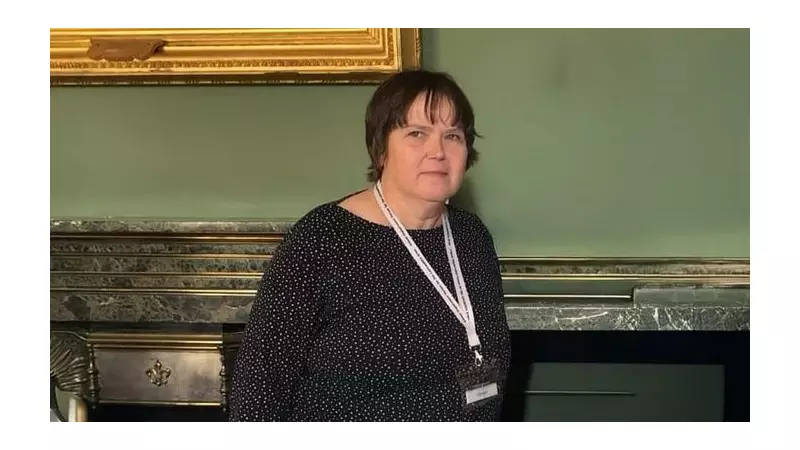
When Denise Wilkinson received a life-altering diagnosis of macular degeneration at the age of 47, she felt profoundly alone. The hereditary condition, which left her with no central vision, was not something she knew how to accept. For ten difficult months, she struggled to come to terms with her new reality.
A Turning Point Through Support
Denise's journey took a positive turn when she connected with charities and Lancashire County Council's Sensory Impairment Team. She recalls wondering why she hadn't known about the available support sooner, which could have spared her months of distress. This marked a crucial shift in her mindset, moving from isolation to empowerment.
The specialised team offers vital services for residents with sight and hearing loss. A key component is long cane training, which Denise was initially hesitant to try. However, after experiencing a serious fall in Preston city centre, her perspective changed. She decided to seek help in learning to use a cane.

Mastering Mobility and Regaining Independence
"It's the best thing I ever did, without a doubt," Denise stated emphatically. "Lots of people are reluctant to do long cane training, but I think it's better to carry a cane than have a fall." Her training was comprehensive; a Rehabilitation Officer for Vision Impairment (ROVI) worked with her for six weeks, teaching her to navigate stairs and escalators safely.
Denise passionately advocates for the service, describing it as priceless. "You can't put a price on the service that the ROVIs and the charities give to visually impaired people," she said. She believes Lancashire is extremely fortunate to have one of the country's best sensory impairment teams, making a real difference every day.
Essential Aid for Lifelong Independence
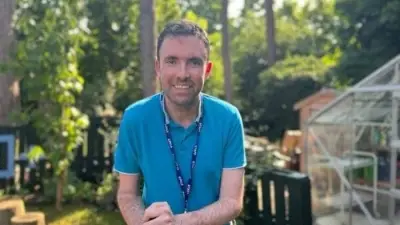
The team's impact extends to many, including Dave Taylor. Born with some sight, Dave has been completely blind since childhood. The support he received has been instrumental in maintaining his independence.
His tailored support package included:
- Route learning for safe navigation.
- Long cane training for mobility.
- Braille labels for household appliances, enabling him to cook independently.
Dave highlights the critical importance of early intervention. "The team are so important for people that are losing sight, because the quicker they get seen the better," he explained. He warns of the consequences of being left without skills: deterioration in both mental and physical health due to isolation and lack of exercise. "Not only are they helping people, but they're keeping people active, they're keeping people walking and independent."
Council Pride in Life-Changing Work
Councillor Graham Dalton, cabinet member for Adult Social Care, expressed pride in the team's work. "The Sensory Impairment Team are changing lives every day by giving people the confidence and practical skills to stay independent, active and safe," he said. He pointed to stories like Denise’s and Dave’s as powerful proof of the service's invaluable role in the community, affirming that Lancashire is home to one of the country's leading teams.