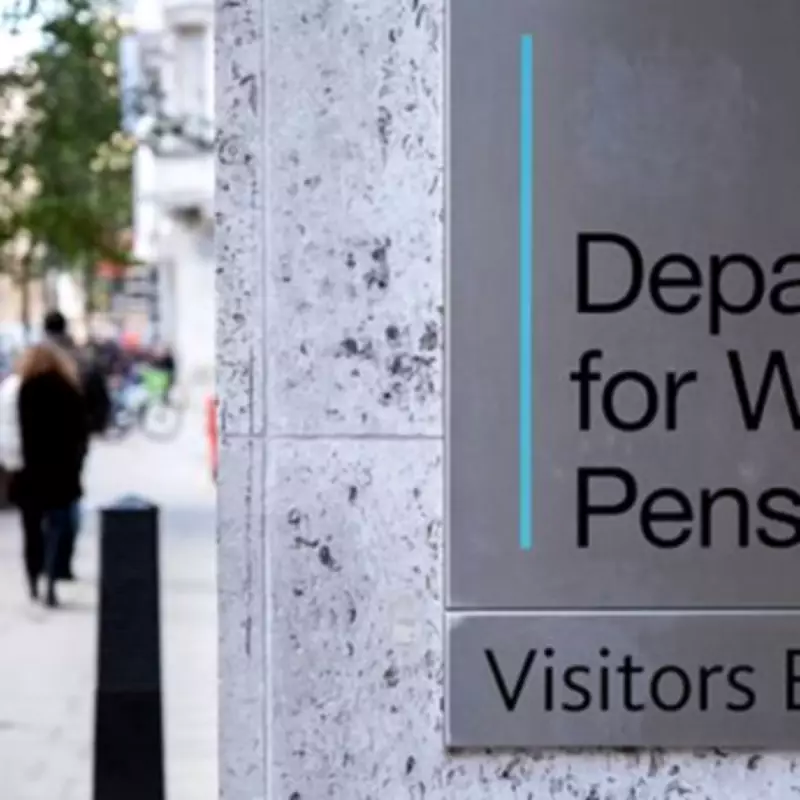
The Department for Work and Pensions has unveiled a comprehensive update to Personal Independence Payment rates, with eight new payment tiers set to take effect from April 6, 2026. This significant announcement comes as part of the government's ongoing commitment to supporting individuals with long-term health conditions and disabilities across the United Kingdom.
Substantial Financial Boost for PIP Recipients
Under the new payment structure, Personal Independence Payment recipients will benefit from an across-the-board increase of 3.8% compared to current rates. This adjustment represents a meaningful financial uplift for those who rely on these essential benefits to manage the additional costs associated with living with disabilities or long-term health conditions.
The most substantial increases will be seen by those receiving the highest level of support. Currently, individuals on enhanced rates for both daily living and mobility components receive approximately £9,747 annually. From April 2026, this annual amount will rise to around £10,119 - representing an increase of just over £371 per year.

Comprehensive Breakdown of New Payment Rates
The government has provided a detailed breakdown of how the new rates will apply across different payment combinations:
- Standard daily living component only: £76.70 per week (£306.80 per four-week pay period)
- Enhanced daily living component only: £114.60 per week (£458.40 per four-week pay period)
- Standard mobility component only: £30.30 per week (£121.20 per four-week pay period)
- Enhanced mobility component only: £80.00 per week (£320.00 per four-week pay period)
For recipients receiving combined components, the new rates are equally significant:
- Standard daily living and standard mobility: £107 per week (£428 per four-week pay period)
- Enhanced daily living and enhanced mobility: £194.60 per week (£778.40 per four-week pay period)
- Standard daily living and enhanced mobility: £156.70 per week (£626.80 per four-week pay period)
- Enhanced daily living and standard mobility: £144.90 per week (£579.60 per four-week pay period)
Understanding Personal Independence Payment
Personal Independence Payment serves as a crucial financial support mechanism for individuals facing challenges with everyday activities due to long-term physical or mental health conditions. The benefit operates on a non-means-tested basis, meaning eligibility is determined solely by how a person's condition affects their daily life rather than their income or savings.
Assessment focuses on two key areas: daily living activities (such as washing, dressing, and preparing food) and mobility (getting around outside the home). The benefit is designed to help cover the extra costs that people with disabilities often face, providing financial support that can make a substantial difference to quality of life.
Application and Assessment Process
Individuals who believe they may be eligible for PIP should complete the application process, which includes a detailed assessment of how their condition affects them. Following this assessment, applicants receive a formal decision letter outlining whether they qualify for PIP and at what rate.
It's important to note that PIP awards are subject to regular review. Recipients undergo periodic reassessments to ensure their payment level accurately reflects their current needs and circumstances. This system helps maintain fairness while ensuring support reaches those who need it most.
The announcement of these increased rates provides welcome certainty for current PIP recipients and offers clear information for those considering applications. With the new rates representing a meaningful increase in financial support, this development marks an important step in addressing the additional costs faced by people living with disabilities across the country.