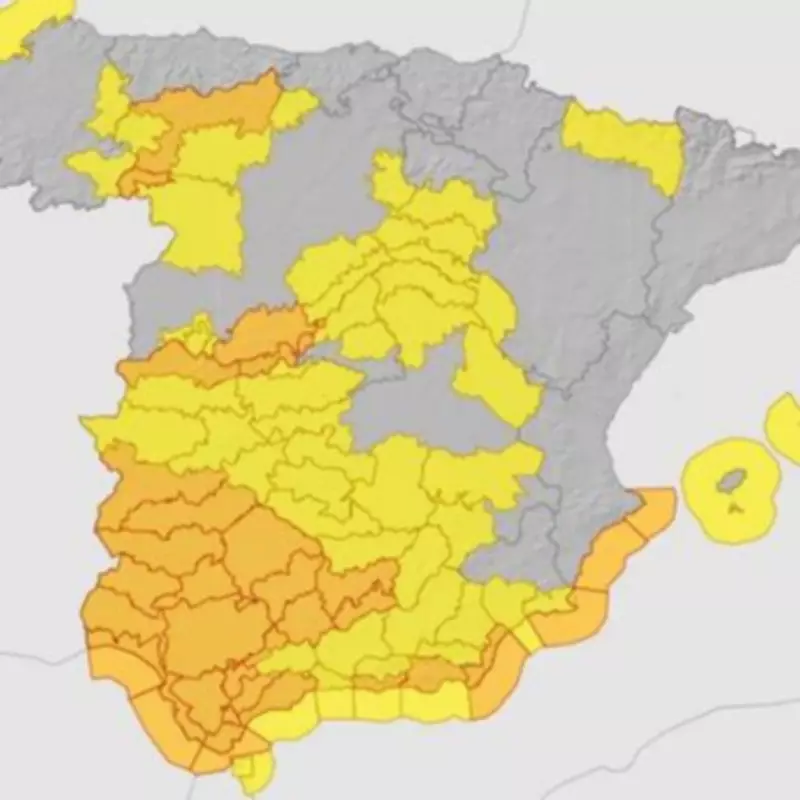
A devastating series of storms has unleashed catastrophic flooding across popular holiday destinations in Spain and Portugal, resulting in at least one fatality and the evacuation of approximately 11,000 individuals from their homes. The relentless 'storm train' of successive winds and torrential rains continues to hammer the Iberian Peninsula, creating a dire emergency situation.
Fatalities and Evacuations Mount
In Portugal's southern Alentejo region, a man believed to be around 70 years old tragically lost his life on Wednesday when his vehicle was swept away by powerful floodwaters, according to local authorities. Meanwhile, in Malaga, Spain, police reported discovering a body near where a woman was carried away by a raging river while attempting to rescue her dog. These incidents underscore the lethal dangers posed by the rapidly rising waters.
Widespread Disruption and Infrastructure Damage
The flooding has caused massive disruption across both nations, with nearly 170 roads forced to close throughout Spain and Portuguese rail services experiencing significant delays and cancellations. Thousands more residents are being compelled to evacuate as fears grow over additional flooding, particularly in vulnerable areas adjacent to major rivers.

In Cordoba, Spain, communities living near the Guadalquivir River were evacuated overnight following a dramatic surge in water levels that threatened to overwhelm local defences. The situation remains precarious as rainfall continues to saturate already waterlogged ground.
Agricultural Catastrophe and Economic Impact
Portugal's agriculture ministry has revealed preliminary estimates suggesting storm-related losses could reach approximately £650 million (750 million euros), representing a severe blow to the nation's farming sector. The agricultural devastation is equally severe in Spain, where farmers in Andalusia's Cadiz province report complete submersion of vital crops including broccoli, carrots and cauliflowers.
Miguel Angel Perez of the farmers organisation COAG described the situation to Spanish television, stating: "It is raining without stopping. Thousands of hectares are inundated. We have a real natural catastrophe on our hands." The scale of agricultural damage threatens both local economies and food supply chains.
Community Displacement and Structural Concerns
In the mountainous Spanish village of Grazalema, approximately 1,500 residents were evacuated as floodwaters began seeping through building walls, compromising structural integrity. Of particular concern is the geological composition of the surrounding mountains, which consist of permeable rock that can dissolve when saturated with excessive water - potentially leading to catastrophic collapses.
The human toll extends beyond physical displacement, with residents in the Portuguese town of Alcacer do Sal describing harrowing escapes with only the clothes they were wearing. One distraught local told Reuters: "I'm left with nothing. Nothing," capturing the profound personal losses experienced by countless families.
Government Response and Ongoing Threats
Portuguese Prime Minister Luis Montenegro announced late on Thursday that his government had extended a state of calamity across 69 municipalities until mid-February, citing "unprecedented" rainfall and flooding risks threatening multiple regions. The declaration enables accelerated emergency response measures and resource allocation.
Mario Silvestre, commander of Portugal's ANEPC civil protection service, reported that six rivers currently face major flooding risks, with the Tagus river basin placed on red alert on Thursday due to sudden increases in water flow. The situation remains dynamic and dangerous as meteorological conditions continue to evolve.
Weather Forecast and Continued Precautions
Andalusia's regional leader, Juan Manuel Moreno, informed journalists that they anticipate approximately 30mm of additional rainfall on Saturday, noting: "In other circumstances that would be little water but right now it is a lot as the soil is unable to drain and the rivers and reservoirs are full." This statement highlights how already saturated conditions amplify the danger of even moderate precipitation.

Emergency services across both nations remain on high alert as they coordinate evacuation efforts, monitor critical infrastructure, and provide assistance to displaced residents. The international community watches with concern as this unfolding natural disaster continues to impact one of Europe's most popular tourist regions during what would normally be a quieter winter period.