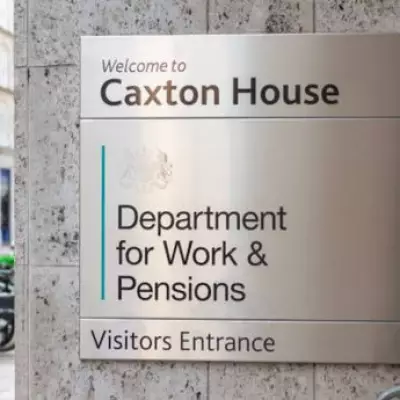
The Department for Work and Pensions (DWP) has officially published the complete list of 46 mental health conditions that make individuals eligible for the monthly Personal Independence Payment (PIP), which can reach up to £778.40 per month.
What is PIP?
PIP is a tax-free, non-means-tested benefit designed to help people with the extra costs arising from long-term disabilities, physical health conditions, or mental health challenges. As of April 2026, over 3.7 million claimants across England and Wales rely on this support.
The mental illness component evaluates how conditions such as depression or anxiety affect daily activities like cooking, socialising, or travelling. To qualify, you must have experienced difficulties for at least three months and expect them to persist for a minimum of nine months.

Assessment and Evidence
During the assessment, points are awarded based on the impact of poor mental health on specific tasks. Supporting evidence from doctors, counsellors, or social workers is crucial. You can receive PIP while working, studying, or having savings.
PIP comprises two components: daily living and mobility. Depending on your assessment, you may qualify for one, both, or neither.
2026 Payment Rates
In January 2026, the DWP updated payment rates following a 3.8% inflationary increase. The new rates are:
- Daily Living Component: Standard Rate £76.70 per week; Enhanced Rate £114.60 per week
- Mobility Component: Standard Rate £30.30 per week; Enhanced Rate £80.00 per week
Individuals qualifying for the maximum support (enhanced rates for both components) receive £194.60 per week, equating to £778.40 per month.
Full List of 46 Mental Health Conditions
As of January 2026, the DWP reports 1,523,811 PIP claimants for these conditions. The conditions and claimant numbers are:
- Dyslexia: 4,298
- Dyspraxia: 3,972
- Specific learning disorder - other / type not known: 24,715
- Speech or language disorder: 4,014
- Post traumatic stress disorder (PTSD): 64,843
- Stress reaction disorders - Other / type not known: 1,101
- Agoraphobia: 7,117
- Anxiety disorders - Other / type not known: 37,691
- Generalised anxiety disorder: 14,681
- Panic disorder: 3,629
- Phobia - Social: 3,359
- Phobia - Specific: 370
- Obsessive compulsive disorder (OCD): 11,929
- Anxiety and depressive disorders - mixed: 428,084
- Body dysmorphic disorder (BDD): 591
- Conversion disorder (hysteria): 286
- Dissociative disorders - Other / type not known: 985
- Somatoform disorders - Other / type not known: 130
- Bipolar affective disorder (Hypomania / Mania): 56,435
- Depressive disorder: 91,009
- Mood disorders - Other / type not known: 5,303
- Psychotic disorders - Other / type not known: 33,953
- Schizoaffective disorder: 13,937
- Schizophrenia: 82,571
- Cognitive disorder due to stroke: 4,503
- Cognitive disorders - Other / type not known: 7,717
- Dementia: 14,690
- Anorexia nervosa: 5,174
- Bulimia nervosa: 802
- Eating disorders not otherwise specified (EDNOS): 2,230
- Alcohol misuse: 12,990
- Drug misuse: 4,691
- Factitious disorders - Other / type not known: 23
- Munchausen syndrome: 11
- Down's syndrome: 21,547
- Fragile X syndrome: 2,320
- Learning disability - Other / type not known: 148,804
- Asperger syndrome: 30,471
- Autism: 217,612
- Retts disorder: 456
- ADHD / ADD: 94,753
- Conduct disorder (including oppositional defiant disorder): 1,236
- Bedwetting (enuresis): 46
- Faecal soiling (encopresis): 63
- Psychiatric disorders of childhood - Other / type not known: 947
How to Claim
To start a PIP claim, call the DWP at 0800 917 2222. This contact date is essential for backdating claims if successful.