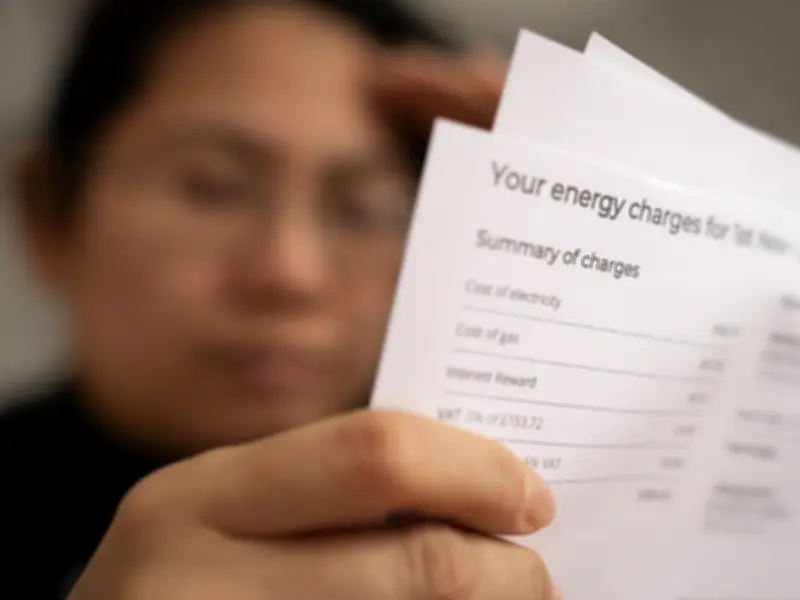
Households across the UK are bracing for a significant rise in energy bills from July 1, with the typical annual dual-fuel bill set to increase by £221 to £1,862. This means an extra £18 per month for the average household, though actual increases will vary based on energy usage.
How Much Will Energy Bills Rise?
Ofgem has confirmed that the price cap will rise by 13% from July to September. For a typical dual-fuel household paying by Direct Debit, the annual bill will jump from £1,641 to £1,862 – an increase of £221. However, if your household uses more energy than average, your increase could be higher; if you use less, it may be lower.
How to Avoid the Energy Bill Price Rise
Switch to a Fixed Tariff
One of the most effective ways to beat the price cap is to move onto a fixed-rate energy deal. A fixed tariff locks in your unit rates for a set period (usually 12 to 24 months), shielding you from automatic rises when the price cap increases. At times of rising prices, fixed deals can be below the current cap and offer protection. However, if energy prices fall later, you won't benefit from reductions, so there is a trade-off between certainty and flexibility.

Reduce Your Energy Usage
Lowering your consumption is the only guaranteed way to reduce your bill regardless of market prices. Even small behavioural changes can offset a meaningful portion of the £221 increase. Common examples include lowering your thermostat by one degree, only heating rooms you actively use, washing clothes at lower temperatures, and turning appliances off standby instead of leaving them running unnecessarily. Heating and hot water are usually the biggest drivers of household energy costs, so small changes here have the greatest impact.
Andy Ellis, plumbing engineer and bathroom expert from Vidalux.co.uk, said: “People often think cutting water use means big lifestyle changes, but the reality is that a few simple swaps and habit changes can make a noticeable difference to monthly bills. And the bathroom and kitchen are where households can save the most, fastest. With water prices rising, every litre saved now has a bigger financial impact than ever before.”
Take Shorter Showers
Cutting shower time by just two minutes can save thousands of litres per year. A 4-minute shower instead of an 8-minute one can significantly reduce both water and heating costs.
Turn the Tap Off When Brushing Teeth or Shaving
Running the tap for two minutes can waste many litres of water. Turning it off while brushing can save a surprising amount over time.
Fix Dripping Taps Quickly
A dripping tap can waste hundreds of litres of water per year. Even a slow drip adds up to money literally going down the drain.
Install a Low-Flow Showerhead
Modern water-efficient showerheads maintain strong pressure while using far less water.
Only Run Dishwashers and Washing Machines When Full
Half loads waste water and electricity. Waiting until appliances are full maximises efficiency.
Avoid Rinsing Dishes Before the Dishwasher
Most modern dishwashers are designed to handle food residue, so pre-rinsing can waste litres every wash.
Use a Bowl When Washing Up
Filling a washing up bowl uses far less water than letting the tap run continuously.
Keep an Eye on Toilet Leaks
A faulty toilet can constantly trickle water without obvious signs. Checking for silent leaks can prevent major waste.
Don’t Overfill the Kettle
Boiling only the water you need cuts both electricity and water use.
Fit Tap Aerators
These inexpensive fittings reduce water flow without reducing pressure, offering an easy win for efficiency.