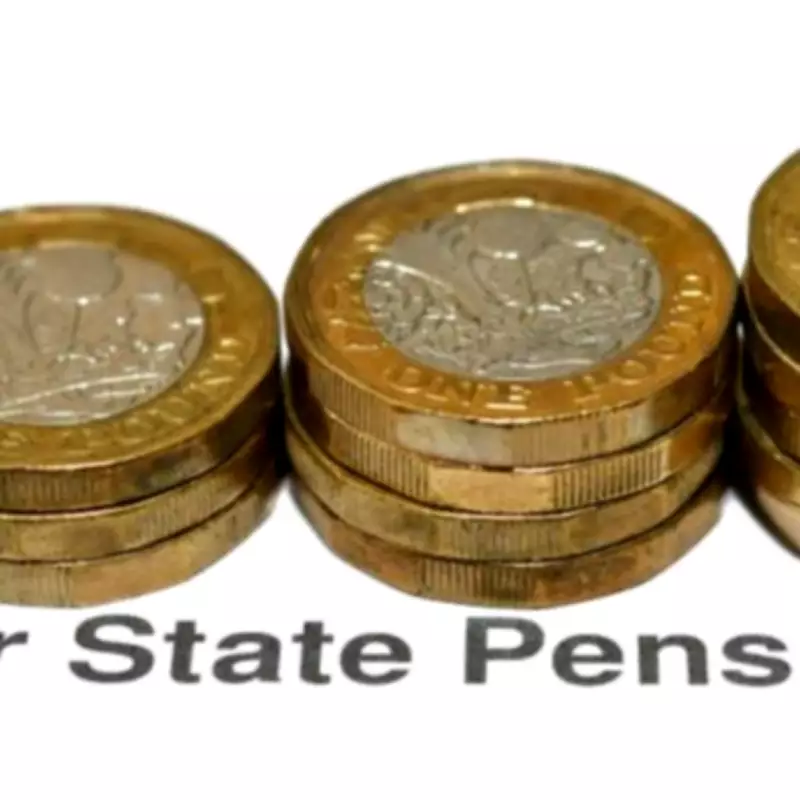
State pensioners are being warned over a significant gap in their payments, as new figures reveal an £825 shortfall between the full new State Pension and the minimum retirement living standard. According to the Retirement Living Standards, a single person needs at least £13,400 a year to cover essential spending in retirement, including basic needs and some leisure activities such as a week's holiday in the UK and eating out about once a month, but not running a car.
Current Pension Rates
The full new State Pension from the Department for Work and Pensions (DWP) is now £12,548 a year, leaving a shortfall of £852. However, the minimum standard cost is £10,900 for a single person and £16,700 for a couple, up £700 and £1,000 respectively from 2019. This means pensioners receiving the new rate face an £825 gap compared to the minimum standard.
Moderate and Comfortable Standards
Beyond the minimum, the Moderate Retirement Living Standard provides more financial security and flexibility, including a two-week holiday in Europe and eating out several times a month. The annual budget for this level is now £20,800 for a single person and £30,600 for a couple, up £600 and £1,500 from 2019. Around half of single employees are on track to expect a lifestyle between the minimum and moderate levels, while couples, who can share costs, are closer to the moderate level.

The Comfortable Retirement Living Standard allows for luxuries such as regular beauty treatments, theatre trips, and three weeks holiday in Europe per year. This requires an annual budget of £33,600 for a single person and £49,700 for a couple, up £600 and £2,200 since 2019.
Expert Commentary
Nigel Peaple, Director of Policy and Advocacy at the Pensions and Lifetime Savings Association (PLSA), said: “We hope the updated standards will encourage people to think about whether they are saving enough for the retirement lifestyle they want and, in particular, whether they are making the most of the employer contributions on offer in their workplace pension. The lockdowns caused by the pandemic have given many workers a foretaste of being retired and made people think about the activities and experiences they truly value. The pandemic has emphasised the importance of economic security as well as social and cultural participation in retirement.”