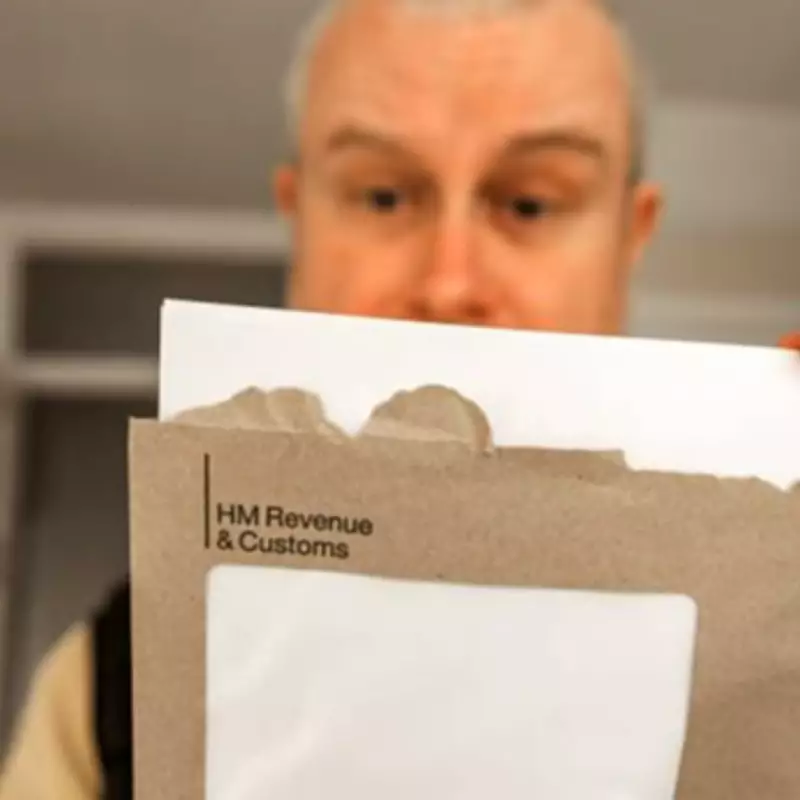
Nearly two million UK households are facing higher tax bills from HMRC due to a threshold freeze implemented in 2021, according to new data. The figures show that 5.76 million individuals are now paying the 40% higher rate of income tax in the 2023/24 tax year, a 50% increase from 3.83 million in 2019/20. Between 2022/23 and 2023/24 alone, 654,000 people were added to the higher-rate band.
The tax thresholds, originally frozen by the previous Conservative government in 2021, have remained unchanged despite rising wages and inflation. The higher rate threshold is fixed at £50,271, while the personal allowance stands at £12,570. HMRC acknowledged that the rise is “likely to be due to the unchanged higher rate threshold and increases in income, largely from employment, resulting in more taxpayers being brought into the higher rate of tax.”
Impact of Frozen Thresholds
HMRC stated that the increase was “driven by the personal allowance remaining unchanged at £12,570 alongside rising incomes, which has increased the amount of income taxed at the basic rate and brought more individuals into paying income tax.” This phenomenon, often called fiscal drag, means that as incomes rise with inflation, more people are pulled into higher tax brackets without any change in tax law.

Maike Currie, vice-president of personal finance at PensionBee, described the freeze as “the biggest stealth tax in the system – quietly pulling teachers, nurses and mid-level professionals into the 40% tax bracket.” She noted that “since the higher-rate threshold was frozen, inflation and wage growth have done the heavy lifting for the Treasury.”
Financial Planning Advice
Currie emphasized that small income changes can disproportionately affect take-home pay, making planning essential. She recommended using pensions, ISAs, and salary sacrifice as “vital tools for managing tax and avoiding a drift into higher bands.” Sarah Coles, head of personal finance at AJ Bell, added that almost eight million people relying on their pension for their main income are paying £24 billion in tax annually, with nearly half a million of those paying higher-rate tax. She warned that frozen thresholds mean the situation will worsen, urging individuals to make plans to avoid paying more than their fair share.