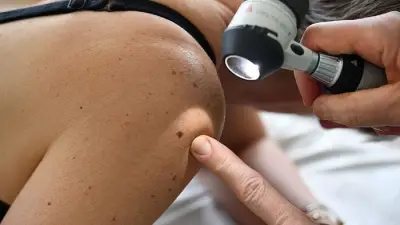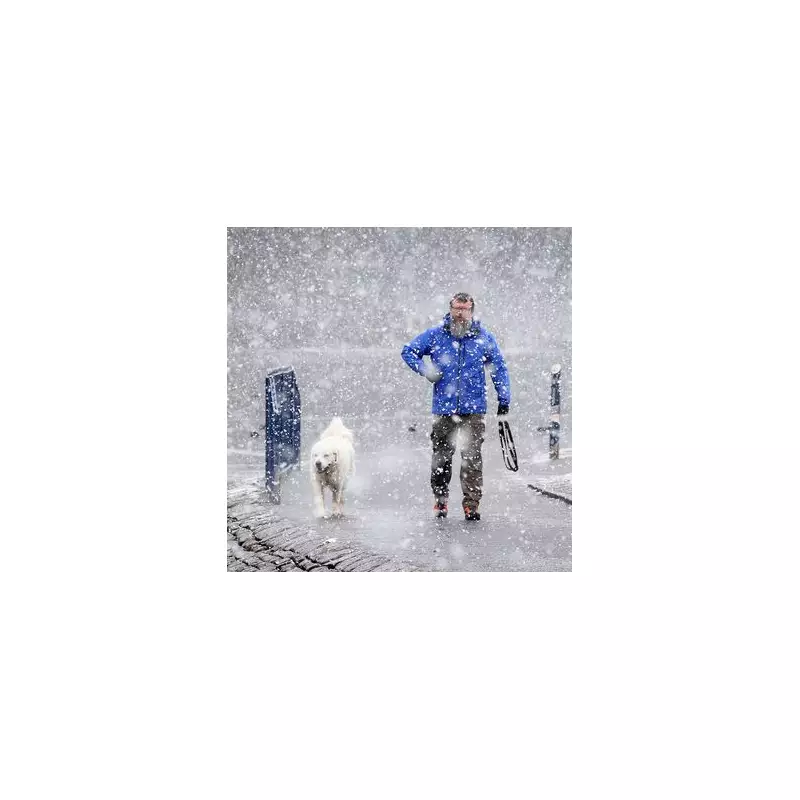
As Storm Goretti unleashes sub-zero temperatures, snow, and ice across the UK, dermatologists are issuing an urgent warning about a sharp increase in skin problems, specifically a condition dubbed 'winter acne'.
The brutal combination of freezing outdoor winds and dry, artificial heat from household central heating is stripping skin of its natural moisture. Recent data indicates that nearly half of the UK population now suffers from seasonal skin flare-ups due to this compromised skin barrier.
Why Winter Wreaks Havoc on Your Skin
The mechanism behind winter acne is a vicious cycle of overcompensation. When skin becomes extremely dry and dehydrated, it can react by producing excess oil (sebum) in an attempt to rebalance itself. This surge in oil, combined with a buildup of dead skin cells that is common in colder months, leads directly to blocked pores and the inflammation we recognise as acne.

Essential Skincare Adjustments for the Freeze
Experts advise making several key changes to your routine to combat the effects of storms like Goretti. First, swap lightweight, water-based moisturisers for richer, oil-based formulations. Look for products containing barrier-repairing ingredients like ceramides, glycerin, and hyaluronic acid, which create a more robust shield against the elements and lock in vital moisture.
Secondly, reconsider your cleansing habits. Harsh foaming cleansers can be too stripping. Opt for gentle, cream-based alternatives that clean without bubbling away essential oils. Be cautious not to over-wash, as this can further damage the skin's protective ability and worsen symptoms.
Surprisingly, a steaming hot shower or face wash can be as damaging as the icy wind. Stick to lukewarm water and try to moderate central heating use to prevent your skin from becoming parched.
Exfoliation and Sunscreen: The Non-Negotiables
To tackle the dull, flaky skin that accumulates, dermatologists recommend using gentle chemical exfoliants like lactic or glycolic acid. Removing this layer of debris allows your hydrating serums and moisturisers to penetrate much more deeply and work effectively.
Finally, do not abandon sunscreen. Applying a broad-spectrum SPF should remain the last step of your morning routine, even on overcast winter days. Harmful UV rays can still cause significant damage, contributing to premature ageing and undermining overall skin health.
By adapting your skincare regimen now, you can help your skin withstand the onslaught of Storm Goretti and the challenging winter conditions ahead.