Detecting and treating heart and kidney disease earlier may have taken a significant step forward thanks to clues found on blood vessels. Until now, assessing the health of this complex network involved invasive treatments.
New Discovery in Blood Vessel Health
The discovery, revealed today by University of Bristol scientists, unveils a novel approach for identifying damage to the lining of microscopic blood vessels that deliver oxygen and nutrients to vital organs. This, they say, could revolutionise the ability to spot disease at its very earliest stages.
Researchers explained that the sugar- and protein-rich coating (glycocalyx), which lines the inner surface of the blood vessels, is highly sensitive and can rapidly alter at the first signs of illness. When the coating becomes compromised, it is an early indicator of disease.

How the Breakthrough Works
The study, published in the journal Nature Communications, showed that as red blood cells move through the body, they actually 'swap' pieces of their coating with the walls of blood vessels. This creates a tiny biological mirror on the cell's surface, reflecting exactly how healthy — or damaged — the vessels really are.
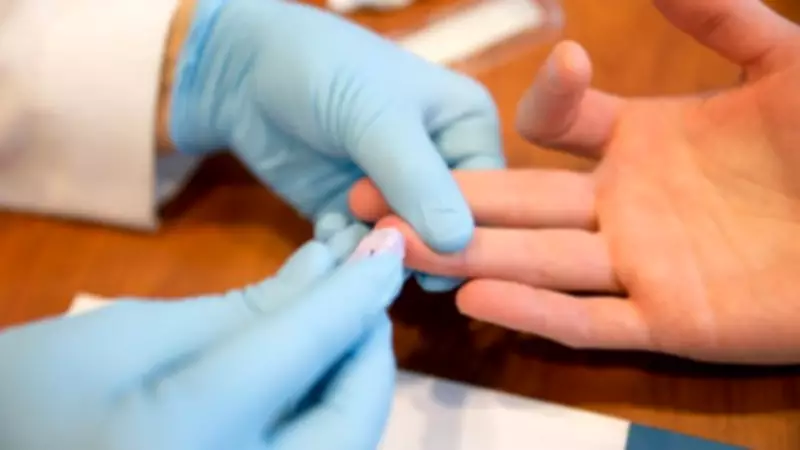
Thanks to this biological discovery, a basic blood sample could soon give doctors a clearer view of the body's internal health and potential organ risks. This transformation means that staying on top of heart and kidney health could become as quick and easy as a regular trip to the GP.
Expert Insights
Dr Matthew Butler, from the University of Bristol, said: “The health of our blood vessels is central to our overall health and monitoring blood vessel damage has been a routine part of healthcare for decades. However, a huge portion of the vascular system is currently inaccessible to doctors and scientists because the vessels are too small to be seen.
“Our results suggest that we can use changes occurring at the surface of red blood cells to identify microscopic blood vessel damage before other markers become detectable. Most excitingly, we can also rapidly detect when drugs are effective at restoring the blood vessel lining. These findings could transform our ability to spot and treat disease before it progresses to become potentially irreversible or life-threatening.”
Professor Simon Satchell added: “Our findings provide a powerful tool for identifying potential health issues at a much earlier stage. This discovery could pave the way for proactive, preventative healthcare, offering the possibility of addressing diseases before they develop.”
Funding and Support
The research received direct funding from Kidney Research UK and the Medical Research Council. Additionally, Diabetes UK and the British Heart Foundation provided support to several of the study's co-authors.
Implications for Future Healthcare
The team revealed that as blood flows around the body, red blood cells and blood vessel walls continuously exchange components of this protective coating when they come into contact. Researchers discovered that the transfer of the glycocalyx onto red blood cells produces a biochemical 'imprint' that accurately mirrors the state of the blood vessel lining.
This breakthrough opens the door to a straightforward blood test that could enable doctors to identify blood vessel damage and evaluate a patient's risk of developing heart and kidney-related conditions far earlier than previously possible. The findings present an entirely new approach to detecting and monitoring vascular disease through routine blood testing.