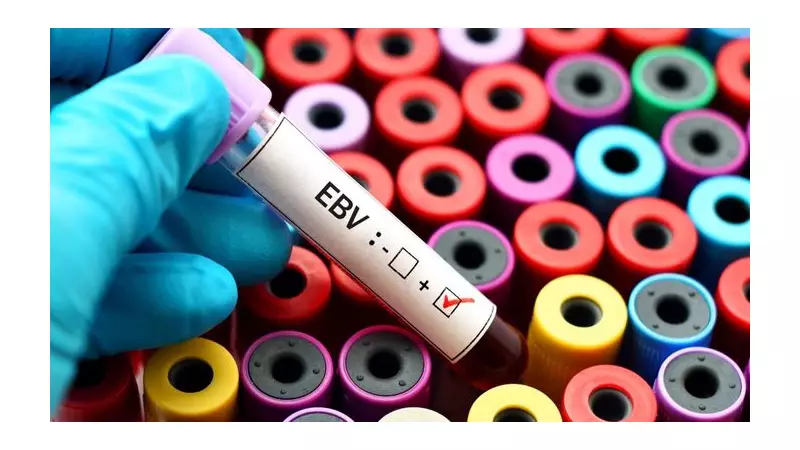
In a significant development for neurological research, scientists are launching an innovative clinical trial that could transform how multiple sclerosis (MS) is treated. The groundbreaking approach involves using mRNA vaccine technology to target the Epstein-Barr virus (EBV), which is present in nearly everyone diagnosed with the condition.
A New Direction for MS Treatment
Researchers believe that suppressing the Epstein-Barr virus, which typically causes glandular fever, may offer a promising new pathway for treating multiple sclerosis. Unlike current treatments that primarily work by suppressing the immune system, this method directly targets a virus strongly linked to the development of MS.
The early Phase 2 Horizon trial will assess how an EBV-targeting vaccine affects new MS disease activity. The mRNA jab functions by teaching the immune system to keep the virus suppressed, enabling the body to produce a specific protein that the immune system then 'remembers'. This process helps prevent EBV from activating and spreading to other cells.

UK Leadership in Global Research
The international trial will involve approximately 180 participants worldwide, with up to 10 trial sites expected to operate within the United Kingdom. The Horizon trial is led by the University of Edinburgh and sponsored by Moderna, marking an important collaboration between academic research and pharmaceutical innovation.
Professor David Hunt, national chief investigator for the trial and director of the MS and neuroimmunology hub at the University of Edinburgh's Anne Rowling Clinic, emphasised the significance of this approach. "This is an important and innovative trial to treat multiple sclerosis by targeting EBV infection using a vaccine," he stated. "The discovery that EBV plays an important role in the development of multiple sclerosis is opening new avenues for treating the condition."
Professor Dame Anna Dominiczak, chief scientist (health) for the Scottish Government, highlighted the UK's prominent role in this research: "The partnership between the University of Edinburgh, the National Institute of Health and Care Research and NHS Research Scotland has enabled the UK to be the first country outside the US to open the study."
Future Implications and Participant Requirements
Beyond treating existing MS cases, researchers hope to discover whether vaccinating the wider population against EBV could help prevent multiple sclerosis altogether. However, they stress that further research is necessary before this preventive approach can be confirmed.
The study requirements specify that participants must be aged 18 to 55 and have received an MS diagnosis within the past two years. The vaccine will be tested specifically in people recently diagnosed with MS who also have EBV. The comprehensive study is expected to last approximately two and a half years.
Dr Emma Gray, director of research at the MS Society, expressed enthusiasm for the trial: "Using mRNA vaccine technology to target a common virus is an exciting and innovative approach to developing new treatment options. To see this translated into real opportunities for people with MS to take part in clinical trials is fantastic."
Most adults contract EBV at some point in their lives, and the virus remains dormant in the body but can reactivate later. The connection between EBV and MS has gained substantial scientific support in recent years, making this trial a crucial next step in understanding and potentially treating this complex neurological condition.