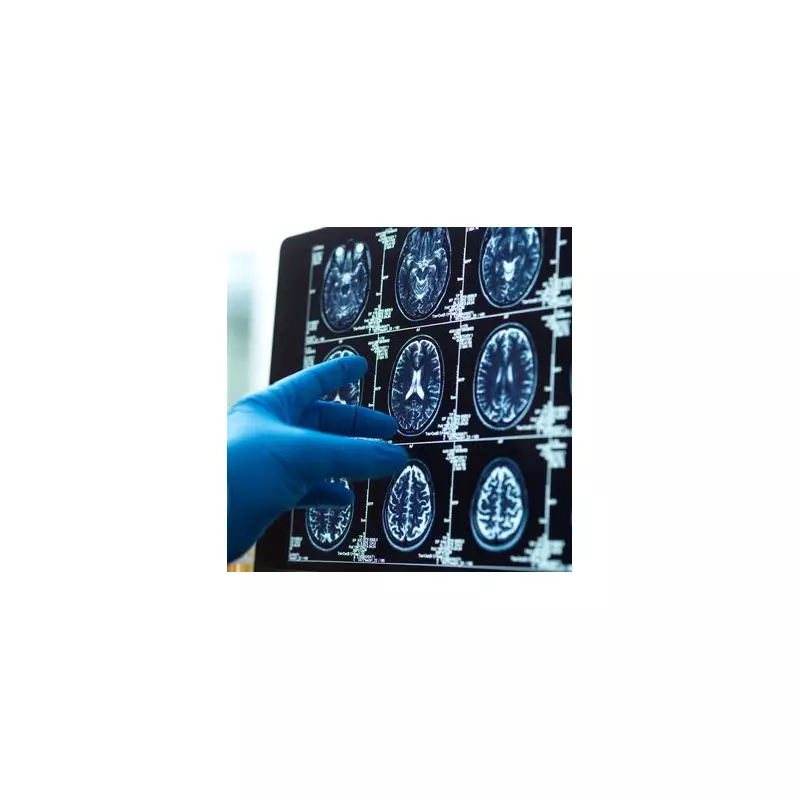
Groundbreaking research has revealed that a common dietary supplement could play a crucial role in reducing the risk of Alzheimer's disease, offering new hope in the fight against dementia.
The Science Behind the Discovery
A study published in the journal Neurochemistry International has demonstrated that arginine, a naturally occurring amino acid, can significantly decrease the accumulation of harmful amyloid β (Aβ) proteins in the brain. These proteins form plaques around brain cells, which are strongly associated with the development of Alzheimer's disease.
Professor Yoshitaka Nagai, one of the lead researchers, explained the significance: "Our study demonstrates that arginine can suppress Aβ aggregation both in vitro and in vivo. What makes this finding exciting is that arginine is already known to be clinically safe and inexpensive, making it a highly promising candidate for repositioning as a therapeutic option for Alzheimer's disease."

Research Findings and Implications
The research team discovered that when mice received oral arginine supplements, they showed reduced amyloid plaque formation and lower levels of insoluble Aβ42 in their brains. The treated animals also performed better in behavioural assessments and exhibited decreased expression of genes linked to neuroinflammation, a key driver of Alzheimer's progression.
Arginine, also known as L-arginine, is an amino acid that helps the body produce proteins and can be found naturally in many high-protein foods including:
- Meat and fish
- Nuts and seeds
- Dairy products
It's also widely available as a dietary supplement from health shops across the UK. However, researchers caution that the doses used in their study were specifically designed for research and don't correspond to commercially available products.
Future Directions and Cautions
While these findings represent a significant step forward, the research team emphasised that additional preclinical and clinical studies are necessary to determine whether these effects can be replicated in humans and to establish appropriate dosing guidelines.
Professor Nagai expressed optimism about the potential applications: "Our findings open up new possibilities for developing arginine-based strategies for neurodegenerative diseases caused by protein misfolding and aggregation. Given its excellent safety profile and low cost, arginine could be rapidly translated to clinical trials for Alzheimer's and potentially other related disorders."
Alzheimer's disease remains the most common form of dementia in the UK, affecting memory, language, and behaviour. This research offers a promising new avenue for prevention strategies that could potentially benefit millions at risk of developing the condition.