Birmingham's ADHD Crisis: Undiagnosed Women Face Shorter Life Expectancy
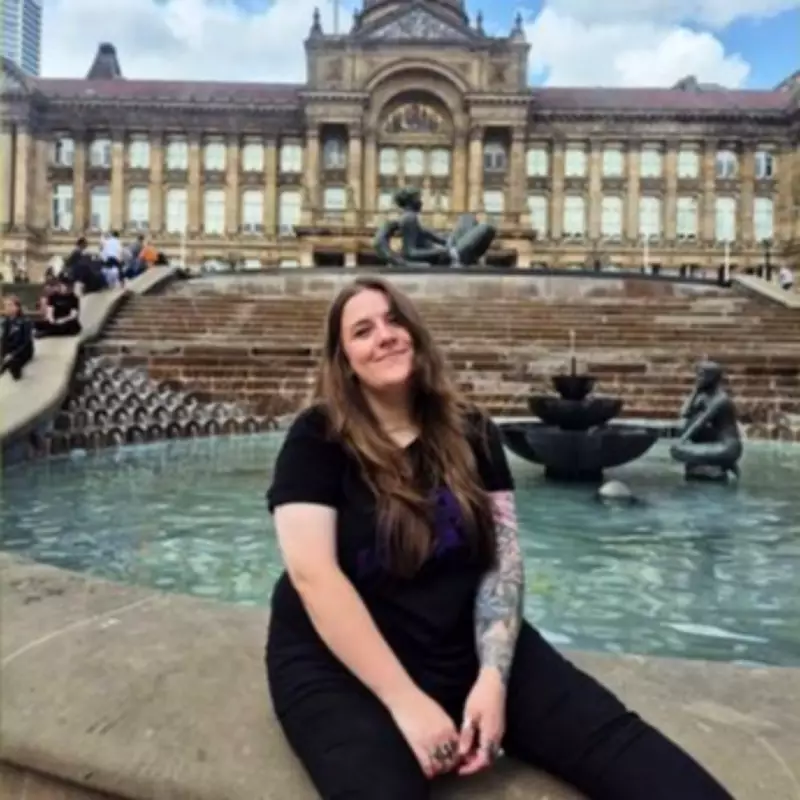
Sitting in a Birmingham GP waiting room, journalist Kirsty Bosley experienced a profound breakdown, weeping openly as decades of unaddressed pain surfaced. Her story exposes a critical healthcare gap affecting millions with disabilities that local medical services consistently overlook, putting life expectancy at serious risk.
A Lifetime of Missed Diagnoses
Bosley, now 38, spent her entire life with undiagnosed combined type ADHD, a neurodevelopmental disorder that presented differently because she is female. School reports labeled her as talkative, distracting, and overly emotional, while adults dismissed her symptoms as personality flaws. This pattern of misunderstanding left her spirit crushed and burdened with constant apologies for her existence.
The consequences were severe: lost friendships, failed relationships, and overwhelming chaos marked her journey. She recalls sitting in an ambulance wearing an "OPTIMIST" jumper after a crisis, symbolizing the cruel irony of her situation. Most alarmingly, she faces a potential decade shorter life expectancy compared to her peers without ADHD.

The Stigma and Systemic Failures
ADHD carries significant stigma, often dismissed as a trend or excuse, particularly for women. Bosley fears backlash when disclosing her condition, knowing many will minimize her suffering. This stigma is compounded by insufficient NHS funding and support in Birmingham, where waiting lists stretch to inhuman lengths.
ADHD is not a mental health disorder or learning disability, though many undiagnosed adults cycle through antidepressants and therapies that prove ineffective. The disorder manifests differently in girls, leading to widespread misdiagnosis. Instead of compassion, society often attributes late diagnoses to social media trends rather than genuine medical need.
The Breaking Point and Private Struggle
After a five-year wait for psychotherapy following a near-fatal mental health crisis, a therapist identified Bosley's ADHD symptoms but couldn't formally diagnose her. The therapist warned her GP that without proper help, her mental health would continue declining. The GP offered more antidepressants and therapy waiting lists, but no ADHD assessment.
Facing years-long NHS waiting lists, Bosley turned to charity ADHD UK for "right to choose" private providers, only to have funding cuts derail that option. Desperate, she paid thousands privately for assessment, diagnosis, and medication titration at a northern clinic. She now spends over £300 monthly on methylphenidate because her Birmingham GP won't prescribe it.
Broader Implications for Birmingham
Bosley's story reflects a city-wide crisis. Children in Birmingham and Solihull face 19-21 month waits for ADHD assessment, with adults waiting even longer. Many undiagnosed individuals likely self-medicate with drugs or alcohol, while others may die by suicide with their ADHD never recognized.
The current approach focuses on crisis management rather than prevention, leaving countless residents to suffer needlessly. As Bosley notes, the system fights fires but won't install sprinklers to prevent the blaze.
A New Beginning with Medication
Since starting medication, Bosley's life has transformed dramatically. She's more productive at work, a better friend, and kinder to herself. She's lost weight by breaking cycles of decision paralysis and poor self-care. However, she grieves for the life she might have had with earlier diagnosis.
Her message is clear: ADHD is real, not a trend, and Birmingham's healthcare system must improve to stop overlooking vulnerable residents. Until then, thousands will continue suffering in silence, their life expectancy compromised by systemic neglect.