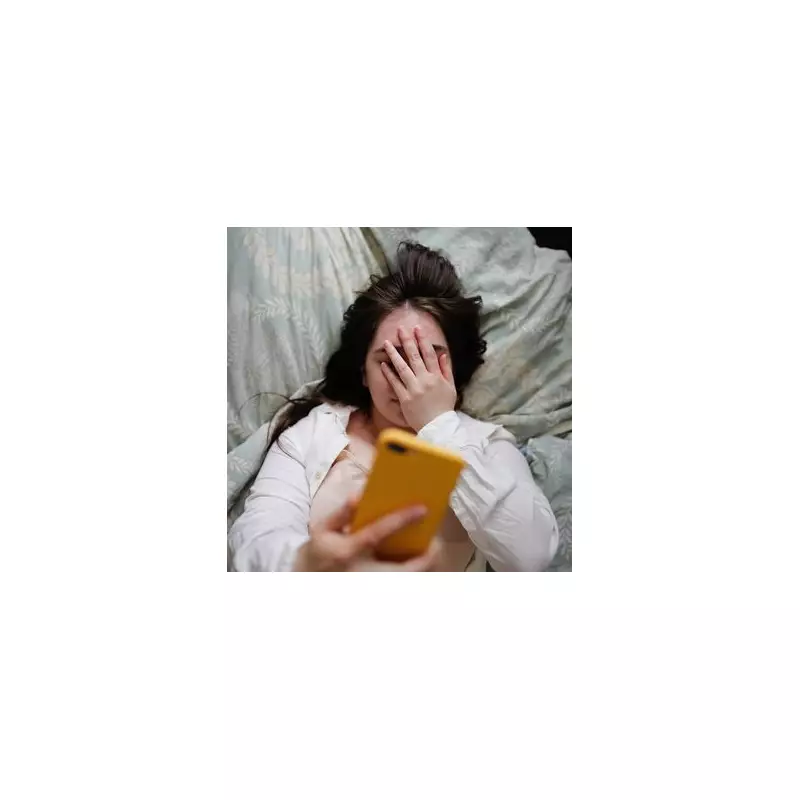
Struggling to switch off at night? A neuroscientist has shared a surprisingly simple and research-backed trick that involves cooling your forehead to help you fall asleep faster, a method he claims can be more effective than common sleep aids.
The Science Behind the Chill
Kyle Cox, a neuroscientist who specialises in rewiring trauma, took to Instagram to explain the technique. He stated that researchers have discovered your forehead temperature plays a critical role in regulating alertness. When your frontal lobe cools by even one degree, it automatically triggers your brain's sleep chemistry.
He cited studies conducted on individuals with severe insomnia, who were given special cooling caps to wear on their foreheads. The results were striking, with most participants falling asleep faster than those taking Ambien, a brand of the prescription sleep medication zolpidem.

How to Try the Sleep Trick at Home
The good news is that you don't need specialised equipment to test this method yourself. Cox suggests using a cold washcloth or a bag of frozen peas wrapped in a thin towel. It is crucial never to apply anything frozen directly to the skin to avoid damage or a painful 'brain freeze' headache.
The instructions are straightforward: when you get into bed, place the wrapped cold item on your forehead and leave it in place until it warms up. Cox explains that the cold slows down mental chatter because your prefrontal cortex cannot remain highly active while it is being cooled. He personally vouches for the method, having used it for months with success, even stating it works better than melatonin for him.
Important Safety Warnings and Public Reaction
While this technique is simple, it requires caution. Experts advise limiting the application of any cold compress to just 15 minutes at a time to prevent potential skin damage. The response to the tip on social media has been largely positive, with many users eager to try it for their own sleep struggles.
One commenter noted, "This explains why I sleep better in a cold room and warm blankets." Another, desperate for a solution, posted in the early hours: "It's 3:30 in the morning. I'm trying it now." A third individual shared their similar experience, saying they use a blast of air conditioning to cool down before falling straight back to sleep.
This forehead cooling trick offers a new, accessible option for the countless people seeking a restful night's sleep without relying solely on medication or complex relaxation exercises.