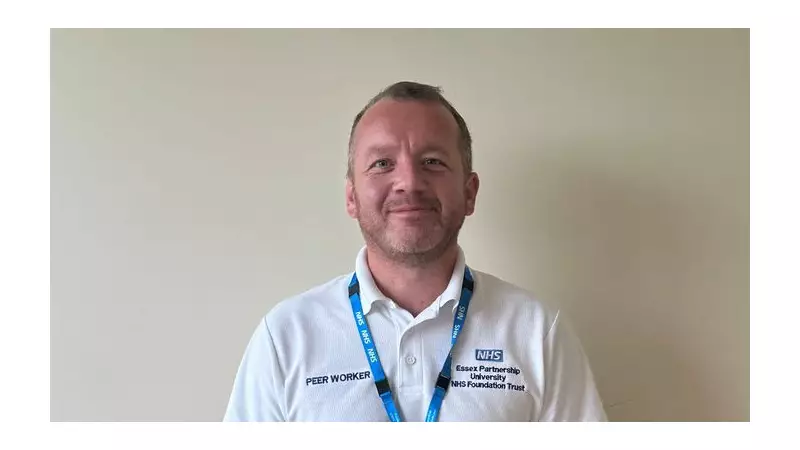
A mental health professional is using his personal battles with addiction and psychological struggles to help others find hope and purpose in their treatment journeys. This International Men's Day, Dan Buck reveals how his lived experience is transforming inpatient care at Essex Partnership University NHS Foundation Trust.
From Personal Struggle to Professional Support
Dan works across three wards at Brockfield House, a secure mental health facility in Wickford, as part of an expanding team of lived-experience ambassadors. These specialists support patients through every stage of their care and treatment, bringing unique understanding to their roles.
Dan is one of more than twenty peer workers introduced through EPUT's Time to Care programme, which focuses on delivering personalised, therapeutic care to support long-term recovery. All peer workers have direct experience of mental health challenges, using their personal journeys and empathy to ensure patients' voices remain central to the Trust's services.

The secure services at EPUT care for people aged 18 to 65 who have been detained under the Mental Health Act or Court Order. Dan's approach bridges the gap between clinical treatment and human connection.
A Journey of Recovery and Purpose
"I went through twenty years of struggling to understand my own mental health," Dan shared. "I self-medicated with alcohol for a long time before hitting rock bottom about five years ago. That experience lit a fire in me to help others in similar situations."
After completing a nine-week community rehabilitation programme in Braintree, Dan became involved with the Essex Recovery Foundation. This lived-experience charity works to improve addiction and recovery services across the county. As a community engagement worker, he helped establish recovery spaces where people could support each other.
When the peer worker position became available at Brockfield House, Dan recognised it as the natural next step in his journey. "This is what I've always wanted to do — use my experience to shine a light for others," he said. "I can show people that recovery is real and achievable, and that there's always a way forward."
Bridging the Gap in Mental Health Care
Dan describes his role as non-clinical but deeply collaborative. He spends significant time on the wards engaging with patients, often beginning with simple conversations that evolve into meaningful support relationships.
He also participates in multidisciplinary team meetings alongside psychiatrists, psychologists, occupational therapists and other clinicians. In these settings, Dan advocates for patients and helps them articulate their needs and goals effectively.
"I might support someone to put in writing a request to start a course, or sit with them while they attend an MDT meeting so they feel more confident," Dan explained. "Sometimes after meetings, patients can feel overwhelmed or confused. I'm there to help break things down, reassure them, and keep their motivation going."
The communication bridge Dan provides between patients and clinical teams proves invaluable. "Because we're non-clinical and have lived experience, patients often open up to us more easily," he noted. "We can then advocate for them professionally and help translate clinical language into something more understandable."
Measuring Success Through Community Connection
What Dan finds most rewarding is witnessing patients rediscover their sense of community and self-confidence. "Seeing someone laugh again or take part in activities like sports or education — that's what it's all about," he emphasised. "It's about helping people reconnect with who they are."
He believes the introduction of peer workers and activity coordinators to the wards has significantly improved patient experience. "If we weren't here, patients would only engage with clinical staff. Rehabilitation is more than that — it's about connecting with real life, with people, and with the future."
Dan's presence also benefits the wider clinical team. "Clinical staff can sometimes be pulled in many directions," he observed. "We can step in to offer support or activities. That continuity really helps patients feel valued and seen."

He recalls one particularly meaningful instance where a patient's mental health improved dramatically after he helped them enrol in an Open University course immediately following a team meeting. "Later, the psychologist told me how much of a difference that had made. It's those moments that remind me why this role matters."
Dan summarises the power of his work simply: "We're helping to create a community on the ward — a space where people feel understood, supported, and inspired to move forward. That's the power of lived experience."