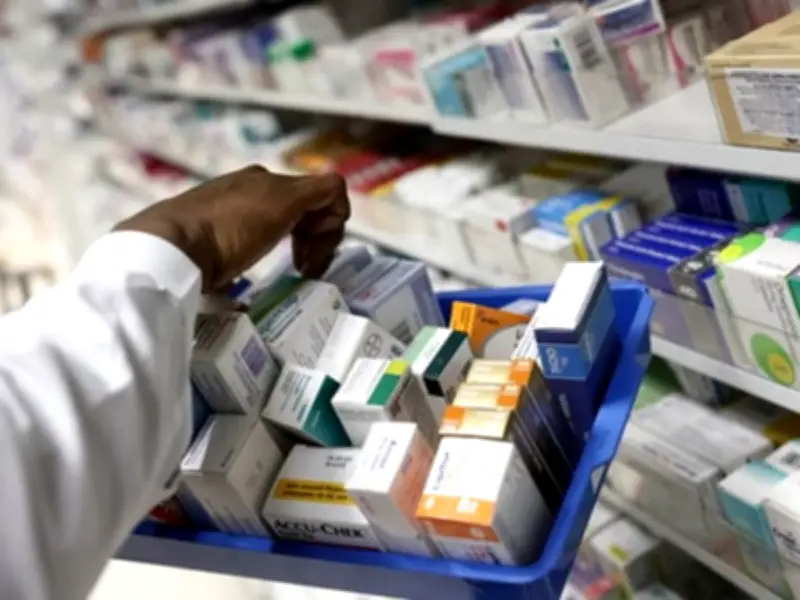
Patients are facing some of the most severe shortages of NHS medicines on record, health leaders have warned. The National Pharmacy Association (NPA) says the situation poses a serious risk to patient safety.
Three Most Affected Medicines
The three most at-risk categories are common painkillers, epilepsy drugs, and hormone replacement therapy (HRT). Two specific medications, Estradot (an HRT for menopausal women) and Creon (used by people with pancreatic cancer and cystic fibrosis to aid digestion), have been cited as particularly low in supply.
Both medications have had serious shortage protocols (SSPs) in place for extended periods: Estradot for one and a half years and Creon for two years, a new NHS record. These SSPs were recently extended until 10 July. SSPs were introduced by the Department of Health as an emergency short-term measure to manage shortages.

Patient Experiences
One patient shared their struggle: "There was a three-month window where I couldn't get hold of my enzymes [Creon], so I had to reduce what I was eating. You'd have a much smaller meal, you eat less protein, you eat less fat. If I get anything down to under a month [of supply] I start to panic. It's really stressful; you're on the phone for just hours, you're driving around [to visit pharmacies], and all the patients are having to do this day in, day out."
Expert Warnings
Olivier Picard, a pharmacist who chairs the NPA, said: "Medicine shortages are becoming more frequent, lasting longer and causing increasing disruption for patients. These shortages are some of the most severe the UK has experienced. It is deeply distressing to find patients who have travelled from pharmacy to pharmacy to find the medicines they need without success."
Prof Victoria Tzortziou Brown, president of the Royal College of GPs, added: "Medicine shortages can be frustrating for patients, GPs and pharmacists alike, especially when patients have to endure lots of back and forth to acquire a suitable alternative. It's essential that when shortages occur, the underlying causes are quickly identified and resolved."
Government Response
A Department of Health and Social Care spokesperson said: "The overwhelming majority of medicines licensed in the UK are in good supply and patients should know that when visiting the pharmacy, their prescriptions will be available. Ensuring there is robust supply of medicines is vital and this government is making significant investments in the UK medicine manufacturing industry to strengthen it."