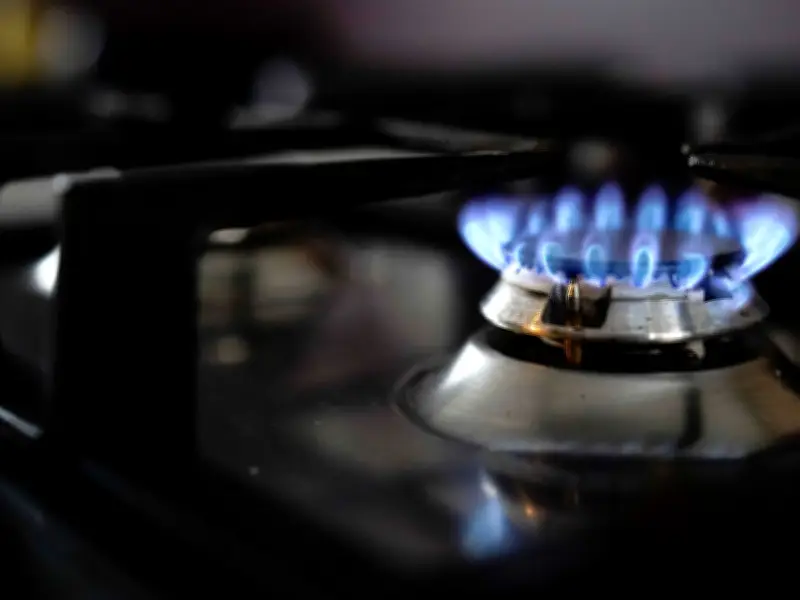
Millions of UK households will see their energy bills rise by £221 per year from Wednesday, July 1, as Ofgem's new price cap takes effect. The increase, which applies to customers of major suppliers including British Gas, EDF, and EON, raises the typical annual bill to £1,862.
Price cap rise details
Ofgem announced a 13% hike in the energy price cap, effective from July 1 to September 30. The cap, which limits the amount suppliers can charge per unit of energy, affects households not on fixed deals—still the majority of bill payers. Electricity unit rates will rise from 24.67p to 26.11p per unit on average, while gas rates increase from 5.74p to 7.33p per unit.
The increase was widely anticipated due to ongoing conflict in the Middle East, which has driven up wholesale gas costs—a key factor in UK energy pricing.

Reactions and calls for reform
Energy Secretary Ed Miliband described the rise as "deeply unwelcome news" and said the government is prioritising easing the burden. "We will continue to monitor the situation ahead of the winter and plan for all contingencies," he stated, adding that the long-term solution is accelerating investment in clean, homegrown power.
Nigel Pocklington, chief executive of Good Energy Group, called for urgent market reform. His report, Rewiring the Market, proposes moving policy costs off energy bills into general taxation, breaking the link between gas and electricity prices, and using Bank of England loans to boost renewable energy investment. He claimed these measures could cut bills by an extra £158 a year. "Over the past five years, we have witnessed a series of energy shocks due to conflict abroad, proving that our current system is neither fit for purpose nor structured in a fair way for households to pay for their energy," Pocklington said.
Ofgem defends increase
Ofgem chief executive Tim Jarvis defended the move, attributing it to "continued volatility in global energy markets" driven by Middle East conflict. He encouraged households to explore fixed tariffs, change payment methods, or use smart meters to benefit from cheaper weekend electricity. "While our energy supplies remain secure, the best way to limit this exposure is by investing in our energy network," Jarvis added.
Impact on consumer confidence
Susannah Streeter, chief investment strategist at Wealth Club, warned the rise will deepen pressure on household finances. "Higher energy costs are expected to leave households with less money to spend on everything from eating out and holidays to wardrobe upgrades, raising fresh concerns for retailers, hospitality businesses and the wider services sector," she said.