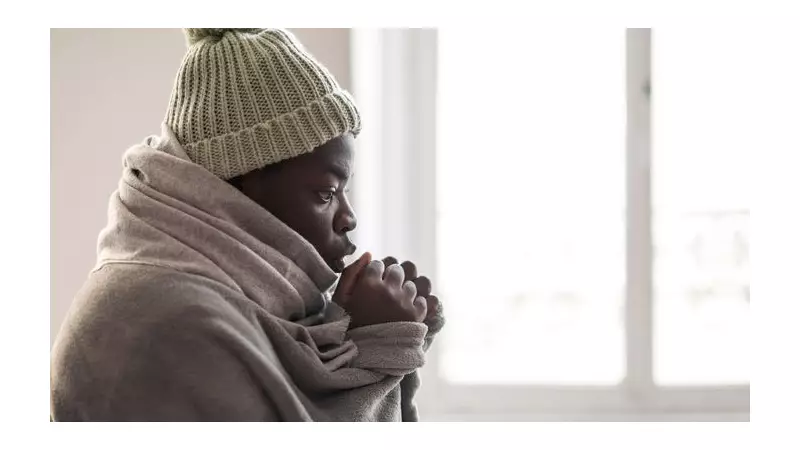
Britons are being urged to prepare for a significant temperature drop this week, with amber cold health alerts activated across large parts of the country. As the cold snap takes hold, many will notice their hands and feet feeling particularly chilly - but medical experts caution that persistent cold extremities could indicate underlying health conditions requiring attention.
Why our hands and feet feel the cold first
Dr Sam Firoozi, consultant interventional cardiologist at HCA Healthcare UK's The Harley Street Clinic, explains the science behind this common winter experience. "The blood circulation to the hands and feet is regulated by the autonomic nervous system, which is an involuntary nervous system that we all have," says Dr Firoozi.
"Its function involves opening arteries to encourage blood flow during warmer conditions. Conversely, in colder weather, this system constricts the small blood vessels in our extremities to restrict blood flow, helping to maintain core body temperature."

When cold hands indicate medical problems
For some individuals, this natural response becomes exaggerated, leading to conditions like Raynaud's phenomenon. This condition causes temporary shutdown of blood flow to fingers and toes in cold conditions.
"Raynaud's can cause severe circulation changes, leading to white or blue discolouration in the fingertips, which can be very painful," Dr Firoozi states. The condition can also develop following nerve injuries to arms or hands, creating dramatic swings in blood vessel behaviour.
Raynaud's is sometimes associated with autoimmune conditions including scleroderma, rheumatoid arthritis and lupus. Certain medications, such as beta blockers prescribed for heart conditions, have also been linked to Raynaud's symptoms.
Warning signs requiring medical attention
While cold, numb fingertips in chilly weather are normal, specific symptoms should prompt a doctor's visit. "If you experience severe discolouration that takes a long time to return to normal, or if the colour changes become permanent, you should seek medical advice," Dr Firoozi advises.
Persistent changes in fingertip or nail appearance, or episodes of intense burning, numbness or throbbing pain, can also indicate underlying problems. The cardiologist recommends documenting unusual changes with smartphone photographs to discuss patterns with your GP.
Practical solutions for cold weather comfort
Simple measures can significantly improve comfort and circulation during cold spells. Dr Firoozi suggests wearing gloves, keeping hands in pockets, and using reusable heat packs warmed in microwaves. Heated gloves offer another option for those particularly sensitive to cold.
For patients diagnosed with Raynaud's, doctors may prescribe calcium channel blockers to widen blood vessels. In severe cases, surgical intervention to disrupt sympathetic nerves controlling blood flow might be considered.
"People can have an operation where the sympathetic nerve that supplies the peripheries is deliberately surgically destroyed or resected to prevent Raynaud's phenomenon from happening," explains Dr Firoozi.