Health authorities have issued a stark warning to millions of people across the United Kingdom as a severe cold snap continues to grip the nation. Following the disruption caused by Storm Goretti, fresh snow warnings and plummeting temperatures are creating dangerous conditions for those with respiratory conditions.
Simple Steps to Save Lives in Freezing Conditions
Charity Asthma + Lung UK is advising the 7.2 million individuals in the UK living with asthma to take immediate and potentially life-saving precautions. With temperatures dropping to record lows, including readings as cold as -10°C in some regions, the dry, icy air presents a severe hazard. This air can trigger dangerous asthma attacks and cause significant respiratory flare-ups.
To combat these wintry hazards, experts are promoting several straightforward protective habits. The core advice focuses on warming the air before it enters the lungs to prevent the airway narrowing and wheezing that cold air can cause.

Key Protective Measures for Asthma Sufferers
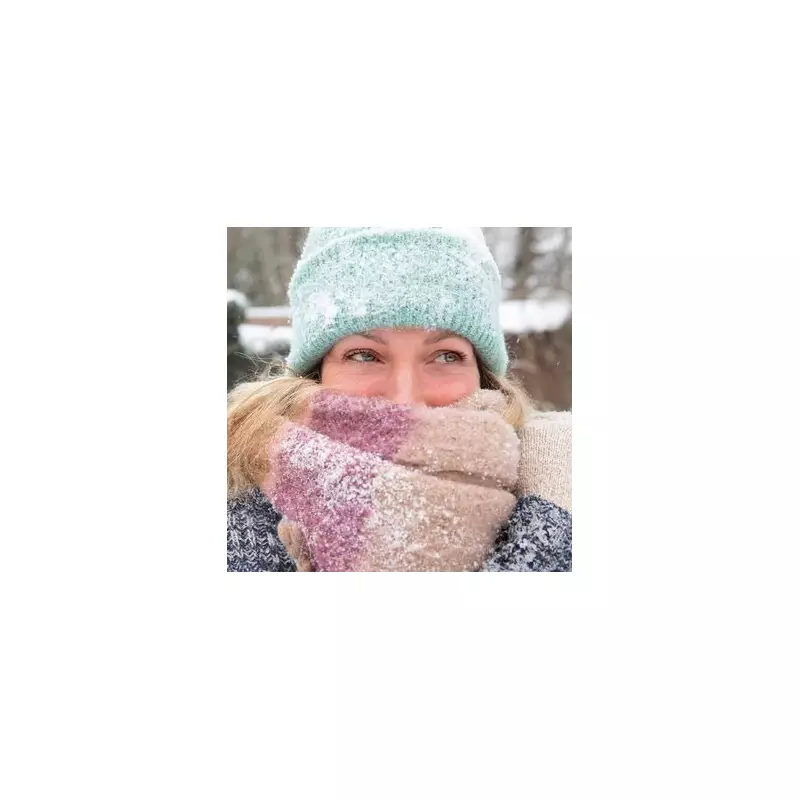
One of the most recommended tactics is creating a physical barrier over the nose and mouth. Loosely wrapping a scarf or wearing a face mask outdoors traps heat and moisture from your own breath, effectively warming the incoming air and reducing the shock to sensitive airways.
Breathing technique is also critical. Sufferers are urged to breathe through their nose when outside, as the nasal passages naturally heat and humidify air more effectively than the mouth. If chest tightness begins, the advice is to shorten time outdoors or stay inside during the coldest parts of the day, typically early morning and evening.
Monitoring and Managing Symptoms at Home
Proactive monitoring is essential. Following guidance from popular online educator TheAsthmaInfluencer, patients are encouraged to perform a daily peak flow test. Tracking results can reveal a declining pattern early, allowing for medical intervention before a full-blown attack occurs.
Preparedness is paramount: always carry your blue reliever inhaler. Experts emphasise that if your chest feels bad, using a spacer device with your inhaler is far more effective. Taking ten puffs through a spacer delivers significantly more medication directly to the lungs than using an inhaler alone, offering faster relief during a crisis.
The cold threat doesn't stop at the front door. Indoors, maintain a room temperature of at least 18°C, keep windows closed at night, and sip regular hot drinks to keep airways warm. For dry air, steaming a room by running a hot tap in the bathroom can offer temporary relief for a tight chest.
Community Care During Amber Alert
Personal protection extends to clothing. Wearing multiple thin layers, including thermal underwear, traps heat more efficiently than a single thick coat. With an amber cold health alert active for the West Midlands, there is also a strong community message. Residents are urged to check on vulnerable friends, family, and neighbours who may struggle to stay warm or access vital medication during this intense freeze.
The combination of these simple, evidence-based steps—from wearing a scarf as a barrier to diligent inhaler use—can make a critical difference in safeguarding health during one of the coldest periods of the year.