A simple and widespread mistake in how we organise our refrigerators is quietly putting households across the UK at risk of serious food poisoning, according to kitchen and hygiene experts.
The Hidden Danger in Your Fridge
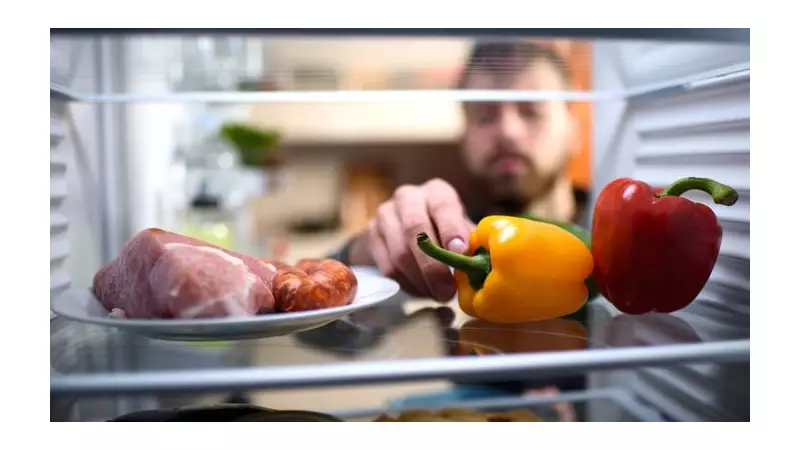
The root of the problem is a common habit: storing raw meat, poultry, or fish on the upper shelves of the fridge. Many people believe that as long as the packaging looks secure, it is safe. However, research highlighted by bathroom and kitchen expert PlumbWorld reveals this is a dangerous misconception.
Juices from raw meat can leak in tiny amounts, even from seemingly well-sealed packs. These droplets then drip down onto foods stored on shelves below, which often include ready-to-eat items like fresh fruit, prepared salads, dairy products, and cooked leftovers.

These juices can carry harmful bacteria including E. coli, Salmonella, and Campylobacter. Exposure to these pathogens, even in minute quantities, can lead to severe stomach cramps, diarrhoea, and fever. The risk begins long before cooking, challenging the assumption that contamination only comes from undercooked food.
Packaging Itself is a Contamination Risk
The danger extends beyond just leaking meat. The outside of the packaging itself can be contaminated. A large-scale study tested 3,662 samples of pre-packaged raw meat to assess the levels of bacteria on the wrappers that people handle when unpacking shopping.
The findings were concerning:
- Salmonella was present on a small number of packages.
- Campylobacter was found on over 1% of packaging, particularly from chicken and game birds.
- Traces of E. coli, a bacterium often linked to faecal matter, were detected on roughly 4% of all raw meat wrappers tested.
This means that simply touching the package and then other items in your fridge or kitchen can spread germs. The cold, clean environment of a refrigerator creates a false sense of security, allowing bacteria to survive and multiply even at low temperatures until the contaminated food is consumed.
How to Protect Your Family from Fridge Cross-Contamination
Preventing this hidden health hazard requires adopting a few key hygiene practices in the kitchen. Following these steps can drastically reduce the risk of foodborne illness.
Always store raw meat, poultry, and fish on the bottom shelf of your refrigerator. Place them in a sealed, leak-proof container or on a plate to catch any potential drips. Conversely, keep all ready-to-eat foods and leftovers on the higher shelves, well out of the splash zone.
Maintain a regular cleaning routine for your fridge. Wipe down shelves with a food-safe antibacterial spray or warm, soapy water, and clean up any spills immediately. It is recommended to deep-clean the entire appliance every few weeks.
Ensure your fridge is operating at a safe temperature, below 5°C, and avoid overcrowding shelves to maintain good air circulation, which helps inhibit bacterial growth.
Finally, practice good hand hygiene. Wash your hands thoroughly with soap after handling raw meat or its packaging, and use separate cloths for cleaning surfaces that have touched raw and cooked foods to avoid spreading bacteria around your kitchen.
As PlumbWorld explains, proper food safety starts with correct storage, not just thorough cooking. Treating raw meat packaging with as much care as the contents and never placing it above food that will not be cooked are simple, cost-free precautions that can prevent days of unpleasant illness for you and your family.