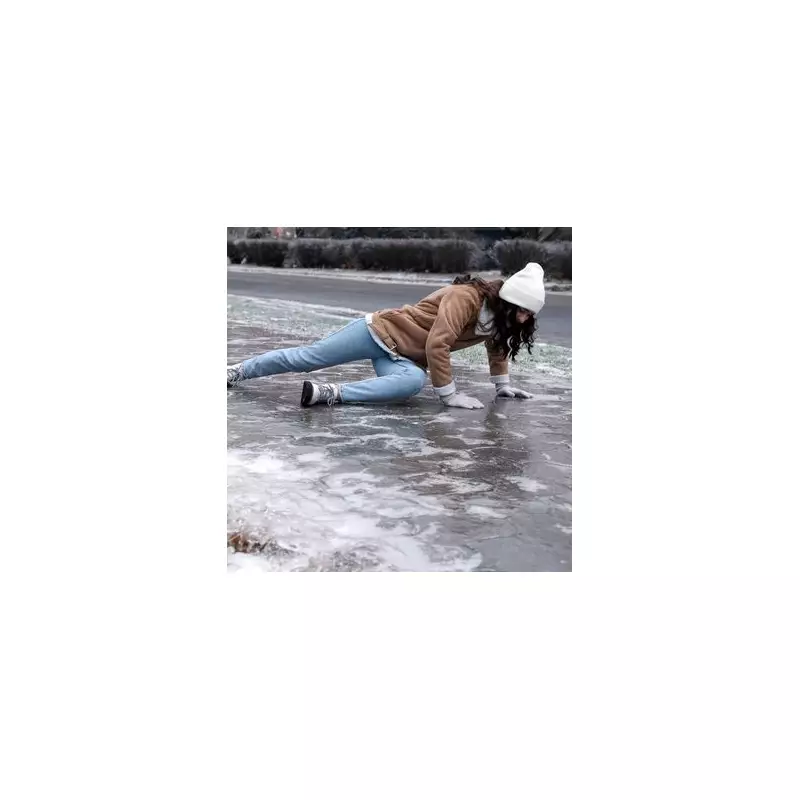
Dudley Council's decision to remove numerous grit bins across the borough has been directly linked to a dramatic surge in slip and fall injuries requiring hospital treatment during the recent cold snap. Councillors were presented with alarming evidence from medical professionals who described facing unprecedented levels of trauma cases at Russells Hall Hospital.
Hospital Consultants Report Unprecedented Injury Levels
During a meeting of Dudley Council's Social Care and Wellbeing Scrutiny Committee on January 19, councillors heard disturbing testimony from healthcare workers about the consequences of icy conditions on untreated streets. Councillor Karen Westwood, who has worked at Russells Hall Hospital since 1997, told colleagues she had never known anything like it in her nearly three decades of experience.
Trauma Theatres Overwhelmed by Slip Injuries
The scale of the problem became particularly evident during the peak of the cold weather. Councillor Westwood revealed that on one Wednesday alone, five operating theatres were completely devoted to trauma orthopaedics throughout the entire day. This overwhelming demand forced the cancellation of four full-day elective surgery lists, significantly disrupting normal hospital operations.

All of these emergency cases resulted from people slipping on ice and snow, according to medical staff who treated the influx of patients. The consultant surgeons at the local hospital expressed particular concern about the nature of these injuries, noting that patients in their early forties were presenting with broken hips - an occurrence they described as very rare under normal circumstances.
Quantifying the Winter Injury Crisis
While evidence continues to be collated through a comprehensive audit process, preliminary data presented to the scrutiny committee revealed startling numbers. In the 48 hours following the first significant snowfall, Russells Hall Hospital's Accident and Emergency department recorded 64 admissions specifically related to slips on ice. Of these patients, medical staff anticipate that approximately 47 will require surgical intervention.
Councillor Westwood emphasized that these figures represent more than just statistics, stating clearly that we have got evidence all these patients came in because they slipped on ice. The correlation between the council's grit bin removal policy and the subsequent injury spike has become increasingly difficult to ignore according to healthcare professionals observing the situation firsthand.
Council Response and Policy Review
In response to these concerns, Councillor Andrea Goddard, Dudley's cabinet member for adult social care and public health, acknowledged the seriousness of the situation while noting that grit bins fall outside her directorate's direct control. She expressed interest in examining the data properly to inform future policy decisions, particularly within the context of developing a comprehensive cold weather framework for coming years.
The council's deputy leader, Councillor Paul Bradley, addressed the issue following the committee meeting, conceding that the initial review of grit bins conducted in May 2025 as part of the council's 2025/26 budget potentially went too far. During that review, council officers had identified approximately 500 grit bins for removal, citing their location on main gritting routes or perceived lack of use as justification.
Commitment to Public Consultation and Review
Councillor Bradley announced that the remaining grit bins still in place would be refilled within the coming weeks to address immediate safety concerns. More significantly, he committed to conducting a full review of the grit bin policy with public consultation, allowing residents to share their experiences and perspectives on where specific grit bins were located and what happened when they were unavailable during icy conditions.
The deputy leader acknowledged that while authorities cannot prevent snowfall, they can take measures to alleviate associated problems. This commitment to reevaluation represents a significant shift from the previous approach and suggests the council is taking medical professionals' concerns seriously as evidence mounts linking policy decisions to public health outcomes during winter weather events.