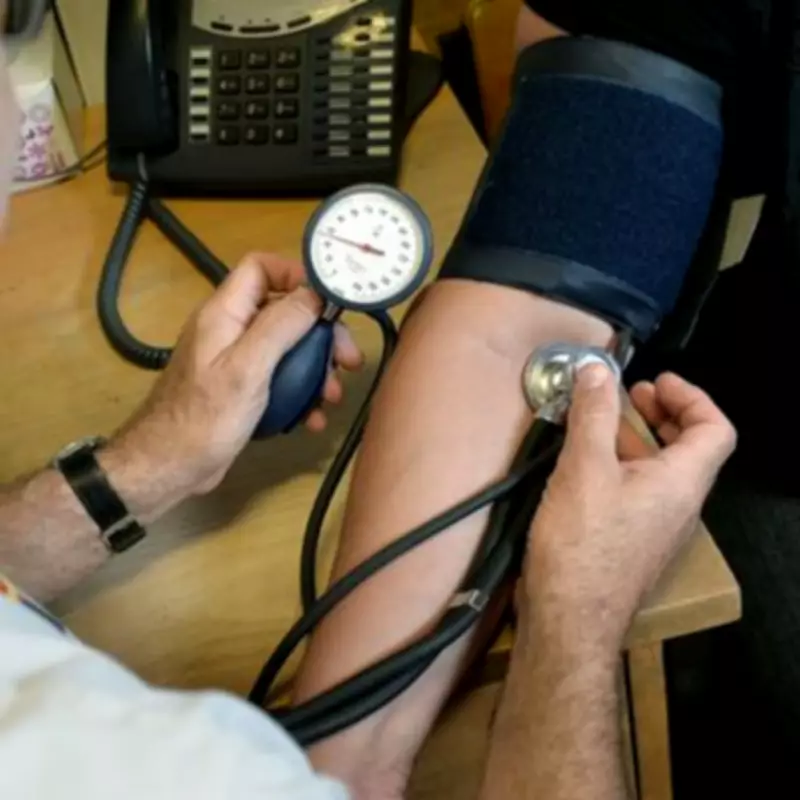
High blood pressure, frequently termed the "silent killer," poses a significant health threat with symptoms that often manifest too late for early intervention. Consultant cardiologist Dr. Sanjay Gupta recently highlighted this critical issue in a detailed podcast discussion, emphasising the condition's insidious nature and the urgent need for proactive management.
The Elusive Symptoms of Hypertension
Dr. Gupta explained that the majority of individuals with elevated blood pressure experience no noticeable symptoms until substantial damage has already occurred within the cardiovascular system. This asymptomatic progression is precisely why hypertension earns its ominous nickname as a silent killer, making regular screening through blood pressure checks absolutely vital.
Three Subtle Warning Signs
While most patients remain unaware, a minority might notice subtle indicators that could signal underlying hypertension. Dr. Gupta identified three specific symptoms that warrant medical attention:

- Persistent fatigue that doesn't improve with rest
- Frequent headaches that occur regularly
- Breathlessness during physical exercise that seems disproportionate to exertion levels
The Physiological Impact on the Body
High blood pressure forces the heart to work considerably harder to pump blood against elevated arterial pressure, gradually weakening this vital organ over time. This constant strain dramatically increases the risk of catastrophic cardiovascular events including heart attacks and strokes that can prove fatal.
Beyond cardiac concerns, hypertension causes progressive damage to multiple organ systems throughout the body. The brain, kidneys, and eyes are particularly vulnerable to this invisible assault, with long-term consequences potentially including dementia, kidney failure requiring dialysis, and significant vision impairment or loss.
Detection and Prevention Strategies
Dr. Gupta stressed that relying on physical symptoms represents a dangerous approach to hypertension management. Instead, he advocates for regular blood pressure monitoring through proper medical checks as the only reliable detection method. Objective measurements provide crucial early warnings long before symptoms might appear.
Lifestyle Factors and Root Causes
The cardiologist identified several environmental and behavioural factors that contribute to premature vascular aging and elevated blood pressure:
- Obesity and excess body weight
- Physical inactivity and sedentary lifestyles
- Insufficient sleep and poor sleep quality
- Excessive alcohol consumption beyond recommended limits
Modern dietary patterns and food processing methods also play a significant role in rising hypertension rates. Dr. Gupta specifically highlighted magnesium deficiency in contemporary diets as a concerning factor that negatively impacts cardiovascular health and blood pressure regulation.
A Holistic Approach to Treatment
Dr. Gupta criticised the common medical practice of treating high blood pressure exclusively with pharmaceutical interventions while neglecting underlying causes. He advocates for comprehensive lifestyle modifications as the primary treatment approach, emphasising improved nutritional choices, regular physical activity, and effective stress management techniques.
This holistic strategy addresses the root contributors to hypertension rather than merely managing symptoms, offering patients a more sustainable path to cardiovascular health and reduced medication dependence over time.