Health officials in the UK have issued a stark warning to the public as cases of the highly contagious norovirus surge to alarming levels. The UK Health Security Agency (UKHSA) is urging anyone who contracts the so-called 'winter vomiting bug' to follow strict isolation rules to curb its rapid transmission.
Sharp Rise in Infections and Hospital Outbreaks
Recent surveillance data reveals a concerning picture. Laboratory reports of norovirus have spiked to more than double the average seen over the last five seasons for this time of year. The situation is particularly worrying in healthcare settings, where the number of reported outbreaks in hospitals has increased by over 40% compared to typical seasonal norms.
This significant rise indicates the virus is currently spreading with ease within communities across the country, posing a heightened risk in environments where vulnerable people gather.

Key Symptoms and Critical Isolation Guidance
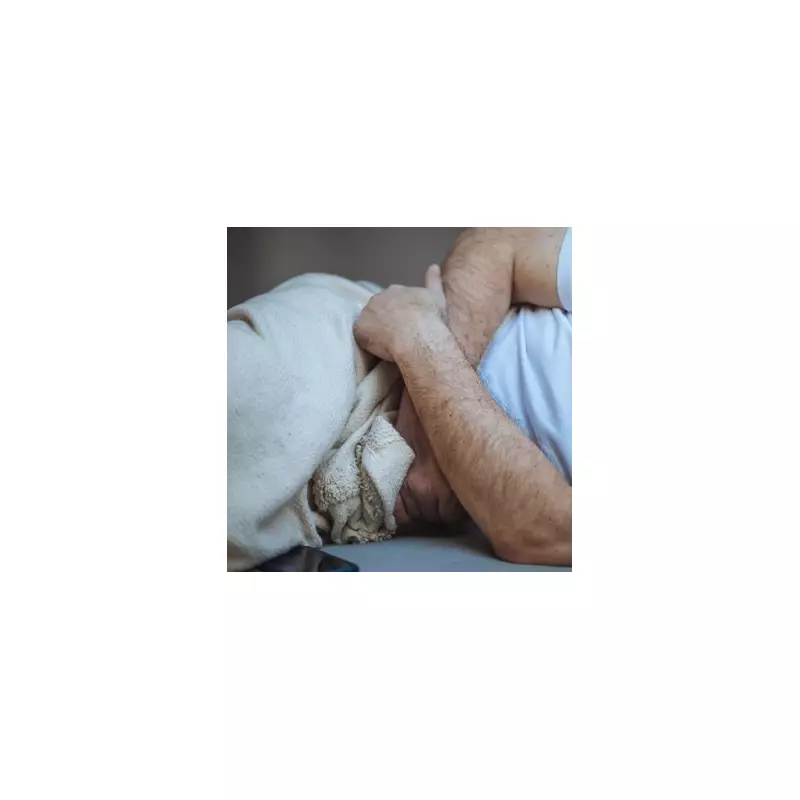
Norovirus is notorious for its sudden and unpleasant onset. The primary symptoms to watch for include:
- Sudden, projectile vomiting
- Watery diarrhoea
- Feeling nauseous
Some people may also experience a high temperature, aching limbs, headaches, or painful stomach cramps.
The UKHSA's central advice is clear: anyone suffering from these symptoms must stay at home and avoid returning to work, school, or nursery. Crucially, this isolation period must continue for a full 48 hours after symptoms have completely stopped.
"This is because individuals remain highly infectious during this two-day recovery window, even if they feel significantly better," a UKHSA spokesperson explained. Adhering to this rule is vital to protect others, especially in settings like care homes and hospitals.
Effective Hygiene and When to Seek Help
Experts stress that standard hand sanitisers are ineffective against norovirus. The most reliable defence is thorough handwashing with soap and warm water. Regularly disinfecting surfaces and washing any contaminated clothing or bedding at a high temperature (60°C) is also recommended to kill the virus.
While the illness is usually self-limiting and passes within two to three days, there are times to seek advice. The NHS recommends contacting NHS 111 if:
- Symptoms persist for longer than a few days.
- You show signs of severe dehydration, such as feeling dizzy, passing very dark urine, or having a dry mouth.
Importantly, you should not visit your GP surgery or a hospital A&E department while symptomatic. Instead, call your GP or use the NHS 111 online or phone service to prevent spreading the virus in medical waiting rooms.
By following this guidance on isolation and hygiene, the public can play a crucial role in slowing the current spike of this unpleasant but preventable virus.