Social Media Weight-Loss Jab Ads Face Landmark Ban by UK Regulator
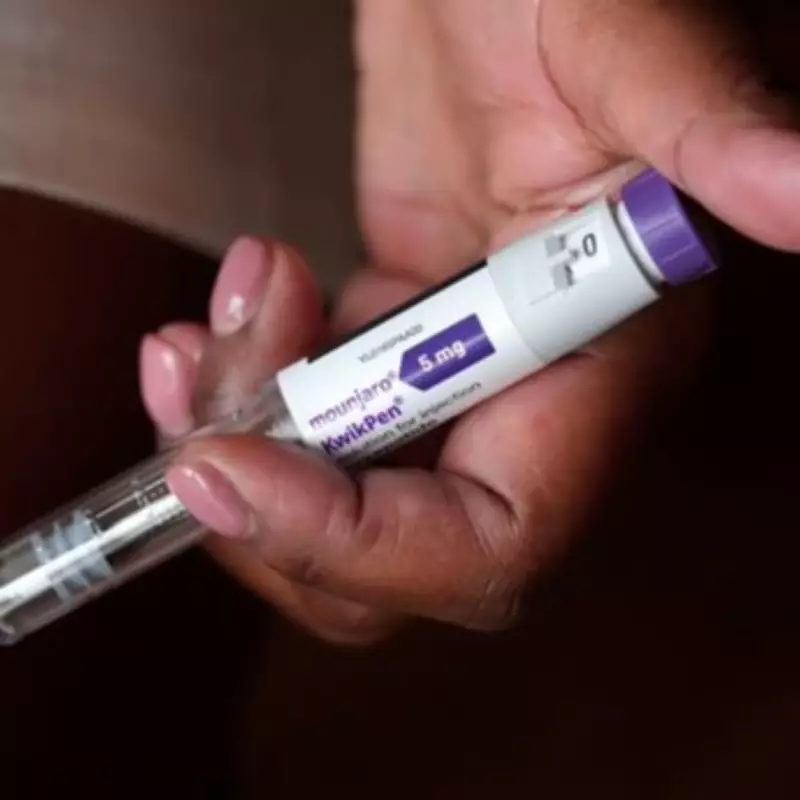
The Advertising Standards Authority (ASA) has issued a sweeping ban on social media posts that promote prescription-only weight-loss injections, such as Mounjaro, through affiliate links and discount codes. This decisive action targets content on platforms including Instagram, TikTok, and Facebook, where users have been sharing referral codes to advertise these medications, often in exchange for rewards.
Illegal Marketing and Public Safety Concerns
Under UK law, it is strictly prohibited to advertise prescription-only medicines directly to the general public, a measure designed to safeguard patient health. The ASA has clarified that this prohibition applies universally, regardless of whether the content is posted by brands, professional influencers, or private individuals. Many social media users engaged in these promotions were unaware they were violating advertising regulations, mistakenly believing affiliate schemes provided a legal loophole.
Catherine Drewett, investigations manager at the ASA, emphasized the gravity of the situation: "Today's rulings send a clear message that affiliate marketing is not a loophole and that promoting prescription medicines through social media, whether as a brand, influencer or customer, is against the law and our rules. We'll continue to take swift action in this area to make sure the rules are followed and that people are protected from harmful and irresponsible ads."

Online Pharmacies Held Accountable
The banned posts were linked to several online pharmacies, including Voy, Zava, MedExpress, and the prescribing service UK Meds Direct. While some of these companies argued they had no direct control over independent customer posts, the ASA ruled that businesses must oversee their referral schemes. Consequently, brands are now required to implement much stricter controls to prevent customers from promoting prescription-only medicines to friends, family, followers, and the general public.
A spokeswoman for Voy responded: "The posts referenced in the ruling were made independently by customers of our service back in 2024 as part of a referral scheme for our weight-loss programme. These posts were first brought to our attention in June 2025, and since we have strengthened our controls around referral activity and influencer engagement. Clinical decisions - including whether medication is suitable - are always made privately between patients and qualified clinicians, and no influencers or referrers play any role in diagnosis, prescribing or medical advice."
Zava stated: "We are committed to being a responsible and compliant healthcare organisation that follows regulation and guidance from the ASA. While we were disappointed by the ruling, we note that we had no commercial or affiliate relationship with the social media users who created the posts in question, and as a business we do not have oversight or control over content shared independently by members of the public on their own social media channels."
Regulatory Support and Future Enforcement
Julian Beach, interim executive director of healthcare quality and access at the Medicines and Healthcare products Regulatory Agency (MHRA), welcomed the ASA's rulings: "We welcome today's rulings from the ASA. Prescription-only weight-loss medicines carry real risks and must only be prescribed following a proper clinical assessment. The promotion of these medicines through affiliate schemes and social media circumvents important safeguards that exist to protect patients. We will continue to work closely with the ASA and General Pharmaceutical Council (GPhC) to take action against those who break the rules and put people’s health at risk."
This crackdown highlights the ongoing efforts by UK regulators to combat illegal advertising practices that endanger public safety, ensuring that powerful medications are not marketed irresponsibly through social media channels.